-
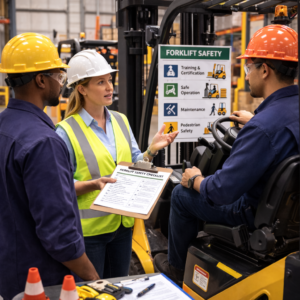 Administer a forklift safety program: authorization and refresher training, inspection and maintenance controls, site rules, incident learning, and records management to reduce truck-related risks.
 -
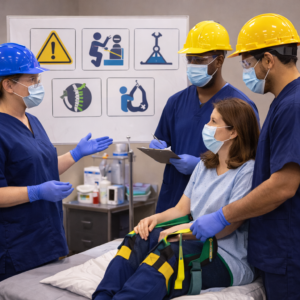 Safe patient handling fundamentals covering risk assessment, transfer aids, teamwork, communication, and injury prevention strategies to reduce caregiver strain and improve patient safety.
 -
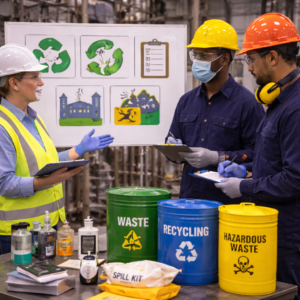 EMS fundamentals covering aspects and impacts, requirements, objectives, operational controls, audits, and continual improvement to manage environmental risk and performance.
 -
 Construction safety management fundamentals: leadership duties, permits, supervision, contractor coordination, and inspections to control high?risk activities and reduce incidents.
 -
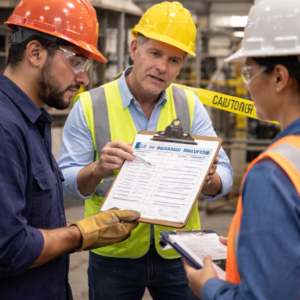 How to conduct a JHA: break tasks into steps, identify hazards, select controls, document safe procedures, and review for change?improving consistency and reducing incidents.
 -
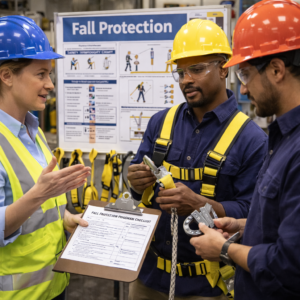 Develop a fall protection program: hazard assessment, system selection, anchor planning, equipment inspection, training needs, rescue planning, and routine audits for work?at?height tasks.
 -
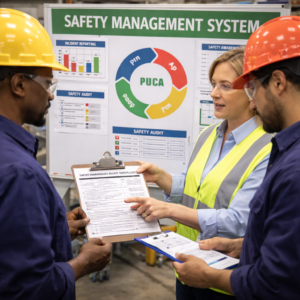 Evaluate a safety management system using audits, indicators, document reviews, and workforce feedback to identify gaps and prioritize improvements in risk control and compliance.
 -
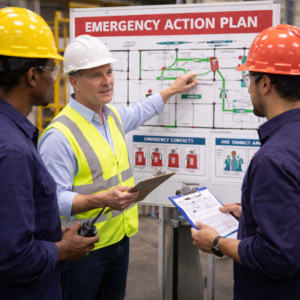 Create an Emergency Action Plan (EAP): alarms, evacuation routes, assembly points, roles, communications, drills, and review steps to ensure fast, organized response.
 -
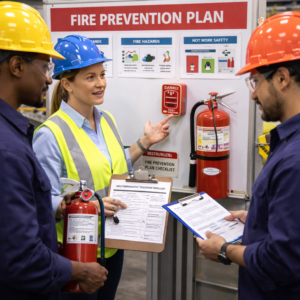 Practical training on Fire Prevention Plan Development & Implementation covering key hazards, safe work practices, and control measures, with simple checklists and reporting steps to help prevent incidents and improve safety performance.
 -
 Safety management fundamentals covering policy, planning, hazard/risk controls, training, inspections, incident learning, and continuous improvement for a practical safety program.
 -
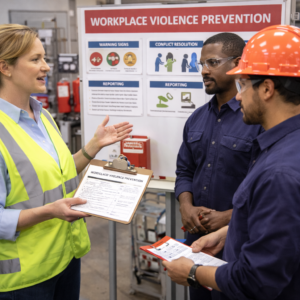 Workplace violence prevention covering risk factors, warning signs, de-escalation basics, reporting and response procedures, and support after incidents to help keep staff and visitors safer.
 -
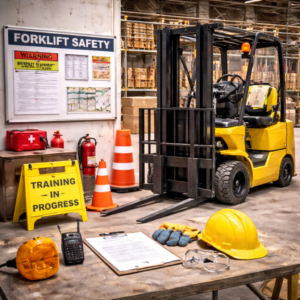 Forklift competent person prep covering evaluation criteria, inspection expectations, hazard recognition, and training oversight responsibilities for consistent, safer powered industrial truck operations.
 -
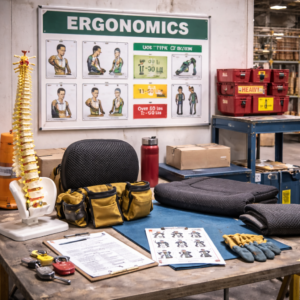 Ergonomic injury prevention covering risk factors, safe lifting, posture and task design, micro-breaks, and practical controls to reduce strains and repetitive injuries.
 -
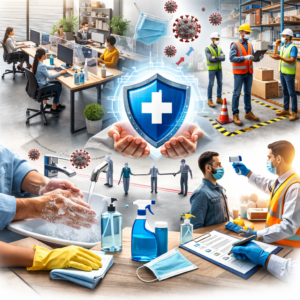 COVID?19 workplace preparedness covering exposure reduction measures, hygiene and cleaning practices, ventilation awareness, response planning, and communication steps to support safer operations during outbreaks.
 -
 Employee heat illness prevention covering hydration, acclimatization, early symptom recognition, safe work practices, and escalation steps for hot-weather work.
 -
 Supervisor heat illness prevention covering acclimatization, work/rest planning, hydration strategy, symptom recognition, monitoring, and emergency response to prevent heat-related incidents.
 -
 Supervisor safety leadership skills: coaching, briefings, inspections, risk management, incident response, and reinforcing accountability to improve safe performance across teams.
 -
 Workplace privacy and data protection covering lawful handling, confidentiality, secure storage and sharing, breach awareness, and practical habits that reduce data risk in daily work.
 -
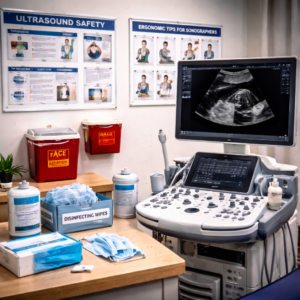 Sonography safety covering ergonomic risk reduction, infection control basics, equipment checks, and patient interaction considerations to reduce strain and improve safe practice.
 -
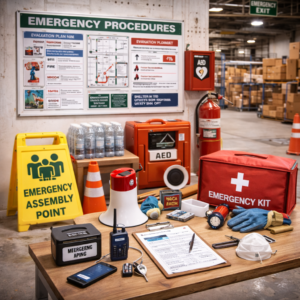 Workplace emergency preparedness: scenario planning, communications, evacuation/shelter procedures, first?response roles, drills, and post?incident review to improve response and recovery.
 -
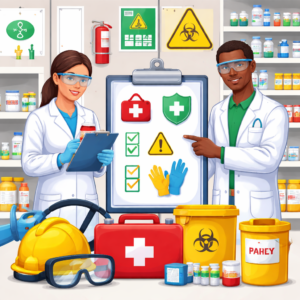 Pharmacy safety covering medication handling risks, hazardous drug awareness, spill response basics, PPE and hygiene practices, and reporting to support safer dispensing and compounding.
 -
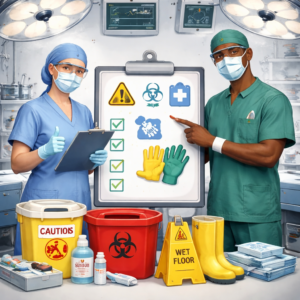 Surgical suite safety covering infection prevention behaviors, sharps and instrument controls, chemical awareness, ergonomics, and emergency readiness for safe, reliable surgical operations.
 -
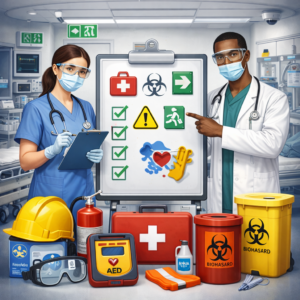 Emergency room safety covering violence risk reduction, exposure and sharps controls, safe patient handling, and rapid reporting to support safer care in fast-paced clinical settings.
 -
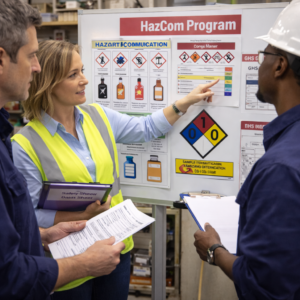 Build a HazCom program: chemical inventory, labeling, SDS management, exposure controls, employee training, and periodic audits so workers understand chemical hazards and safe handling.
 -
 Manage stress and violence risks by identifying triggers, improving reporting and response, applying de-escalation and support practices, and strengthening policies for safer workplaces.
 -
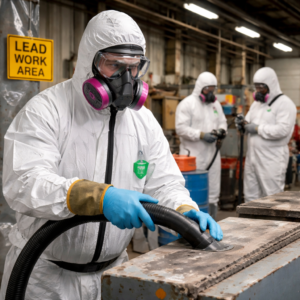 Lead safety (General industry) covering health effects, exposure routes, high-risk tasks, engineering controls, hygiene practices, PPE/respiratory awareness, and program elements to reduce exposure and support compliance.
 -
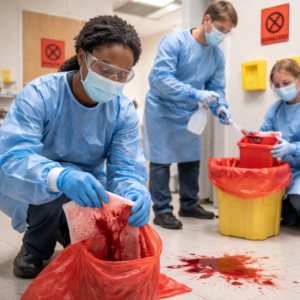 Bloodborne pathogens training covering exposure risks, standard precautions, PPE, sharps handling, cleanup, and post-exposure actions to reduce infection risk in healthcare and similar settings.
 -
 Safety management fundamentals covering policy, planning, hazard/risk controls, training, inspections, incident learning, and continuous improvement for a practical safety program.
 -
 Run an effective safety committee: clear roles, meeting structure, inspections, hazard reporting, action tracking, and communication practices that turn issues into sustained improvements.
 -
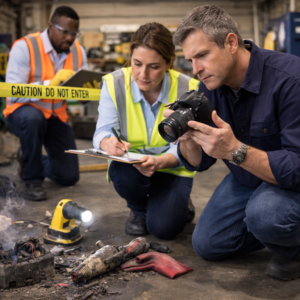 Advanced incident investigation: evidence collection, interview skills, human factors, causal analysis, and corrective action validation to prevent recurrence and strengthen learning.
 -
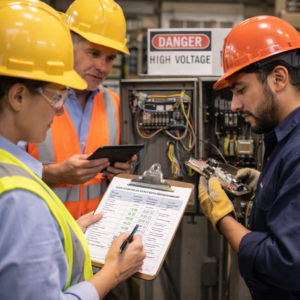 Hazard analysis and control training: identify hazards, assess risk, choose controls using the hierarchy of controls, and verify effectiveness through inspections and feedback.
 -
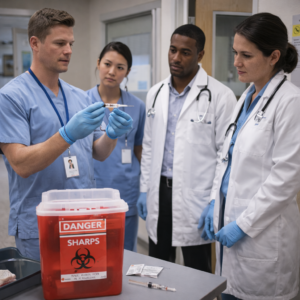 Sharps safety training covering safer devices, needle handling and disposal, work practice controls, cleanup basics, and post-exposure response to reduce needlestick injuries.
 -
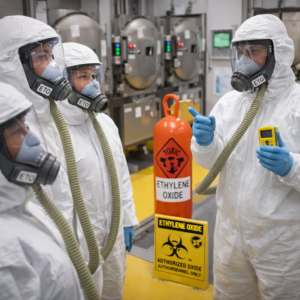 Ethylene oxide safety covering health risks, exposure routes, safe handling and storage, ventilation awareness, spill response, and prevention practices for sterilization environments.
 -
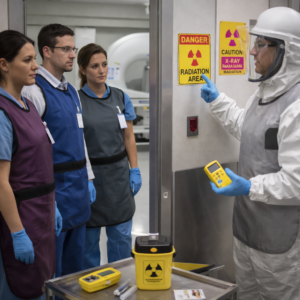 Radiation safety training covering basic concepts, exposure routes, time?distance?shielding controls, signage and access controls, and safe handling practices to reduce exposure risk.
 -
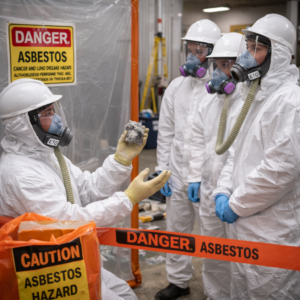 Asbestos awareness and control training covering health risks, where asbestos may be found, recognition and reporting, exposure prevention, and safe work practices to avoid disturbing ACMs.
 -
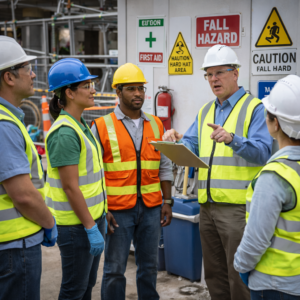 Practical training on Occupational Safety and Health Fundamentals covering key hazards, safe work practices, and control measures, with simple checklists and reporting steps to help prevent incidents and improve safety performance.
 -
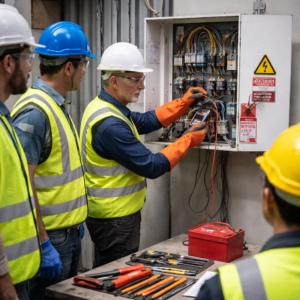 Electrical safety essentials: hazard awareness, safe planning, isolation principles, inspection routines, and PPE basics to reduce risk of shock, burns, and arc incidents.
 -
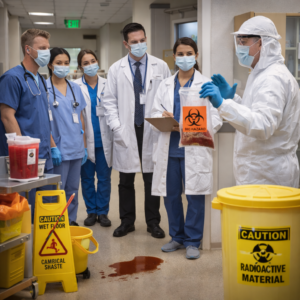 Common hospital hazards fundamentals covering slips/trips, sharps, infection risks, chemicals, ergonomics, and violence?plus practical controls and reporting steps for safer healthcare environments.
 -
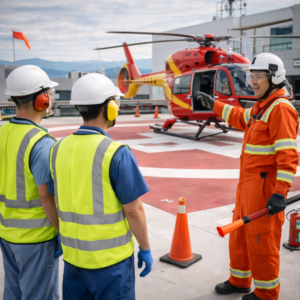 Hospital heliport safety covering access control, safe approach routes, communications, rotor wash hazards, and emergency procedures to reduce risks during helicopter operations.
 -
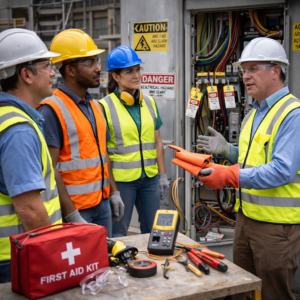 Practical training on Electrical Hazards & Controls Training covering key hazards, safe work practices, and control measures, with simple checklists and reporting steps to help prevent incidents and improve safety performance.
 -
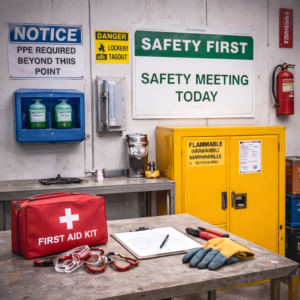 Practical training on Managing Safety & Health - General Industry Essentials covering key hazards, safe work practices, and control measures, with simple checklists and reporting steps to help prevent incidents and improve safety performance.
 -
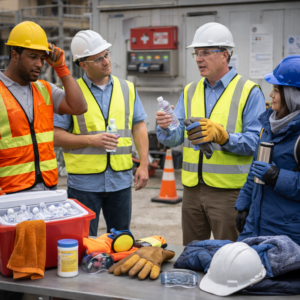 Heat and cold stress safety covering risk factors, early warning signs, protective measures, work planning, and emergency response for temperature extremes.
 -
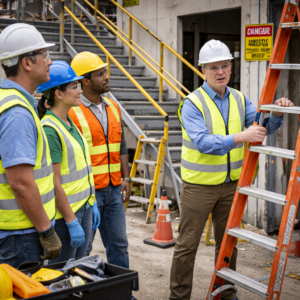 Practical training on Stairway & Ladder Safety Training covering key hazards, safe work practices, and control measures, with simple checklists and reporting steps to help prevent incidents and improve safety performance.
 -
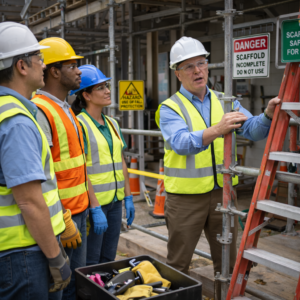 Scaffold safety training covering safe access, platform integrity, guardrails, load limits, and inspection checks to reduce fall risks and structural instability.
 -
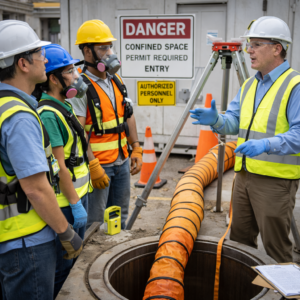 Confined space entry safety: permits, hazard identification, atmospheric testing, ventilation, isolation, attendant duties, communications, and rescue planning to prevent asphyxiation and toxic exposure.
 -
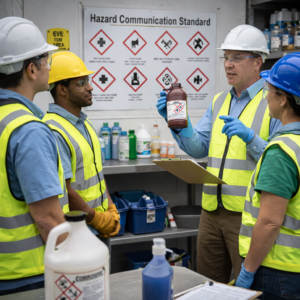 Employee HazCom training on labels and pictograms, SDS use, exposure routes, safe handling and storage, spill response basics, and reporting to prevent chemical injuries and illness.
 -
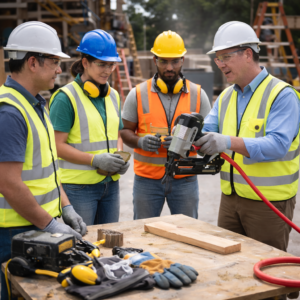 Nail gun safety covering trigger types, safe handling, positioning, material checks, PPE, and housekeeping to prevent puncture injuries and unintended discharge incidents.
 -
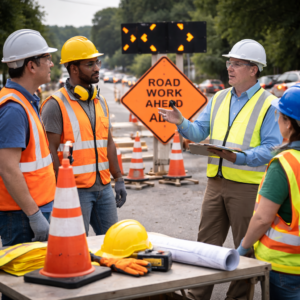 Work zone traffic safety: traffic control plans, signage, worker visibility, vehicle?pedestrian separation, spotter practices, and response steps to reduce struck?by and intrusion risks.