Workplace Emergency Preparedness Planning
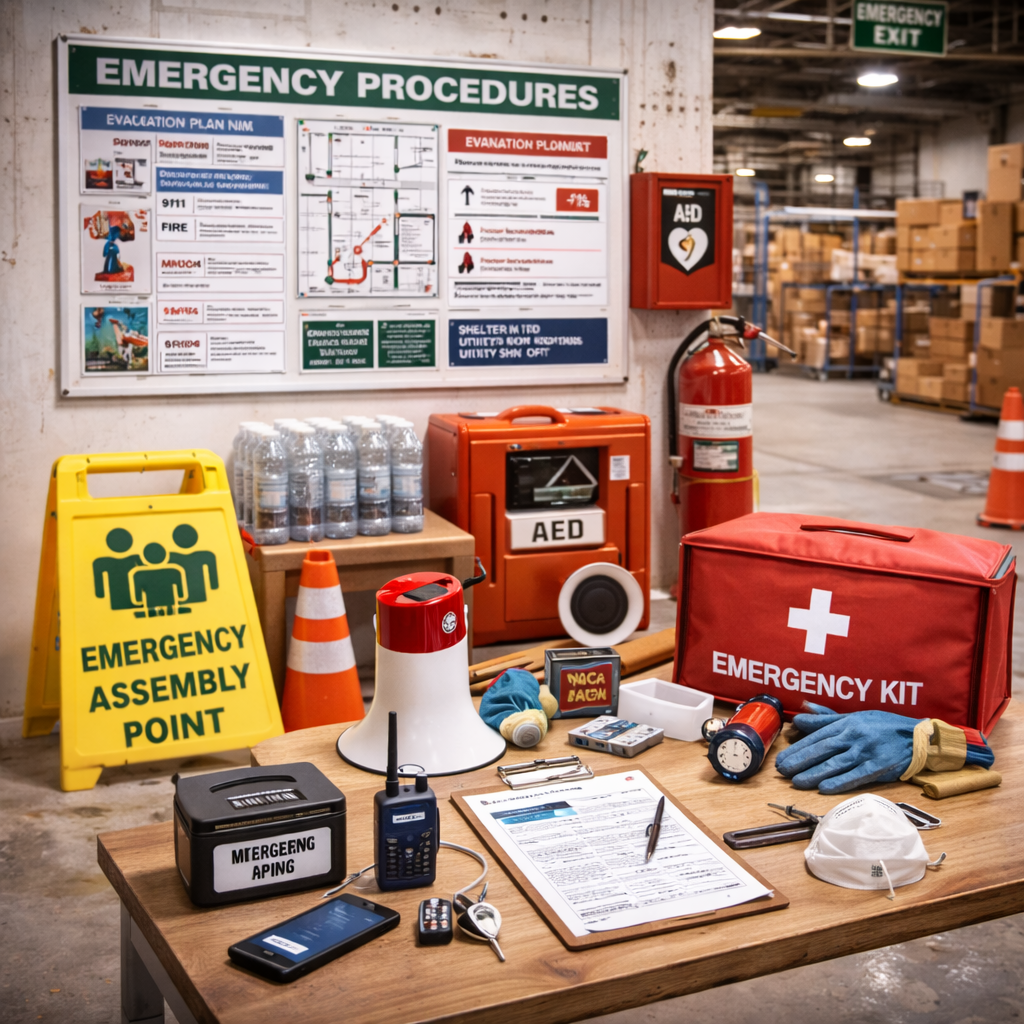
Description
Prepare Before It Happens. Respond With Confidence. Protect People, Operations, and Reputation When Every Second Counts.
Emergencies rarely give advance notice, but strong planning can dramatically change the outcome. Fire, medical incidents, chemical releases, severe weather, electrical events, evacuations, and other critical situations demand a calm, coordinated response. This course helps learners build the practical awareness needed to support effective emergency preparedness planning before a crisis begins.
Why This Training Matters
In an emergency, confusion becomes a hazard of its own. Unclear roles, poor communication, weak evacuation arrangements, missing drills, and limited preparedness can turn a manageable incident into a far more serious event. The difference between disorder and control often comes down to whether people know exactly what to do before the emergency happens.
This training helps teams move from reactive thinking to practical readiness by building a stronger understanding of planning, coordination, communication, and response structure across workplace emergencies.
What Makes This Course Valuable
Stronger Emergency Planning Awareness
Understand what effective workplace emergency planning involves and why written procedures, clear roles, and realistic preparation matter.
Better Response Coordination
Build practical awareness of reporting procedures, evacuation, communication, first aid arrangements, and coordination with emergency services.
A More Resilient Workplace
Support a safer organizational culture where people are trained, prepared, and more capable of acting quickly under pressure.
Course Overview
This course provides a practical introduction to workplace emergency preparedness planning. It focuses on how organizations identify likely emergency scenarios, define responsibilities, communicate clearly, support evacuation and response arrangements, and prepare workers to act safely and effectively when an incident occurs.
It is designed for organizations that want stronger emergency readiness and for learners who need a clear, practical foundation in how workplace emergency planning supports both safety and operational continuity.
Learning Outcomes
By the end of this course, learners should be able to:
- Explain why workplace emergency preparedness planning is essential for protecting people, property, and business continuity.
- Recognize the importance of identifying likely emergency scenarios and planning for them in advance.
- Understand the role of reporting procedures, alarms, emergency contacts, and communication arrangements during an incident.
- Identify the importance of evacuation routes, assembly arrangements, and safe movement during emergencies.
- Understand why emergency roles, responsibilities, and coordination must be clearly agreed and communicated.
- Recognize the value of training, drills, rehearsal, and realistic practice in improving emergency response performance.
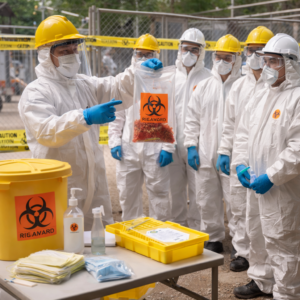
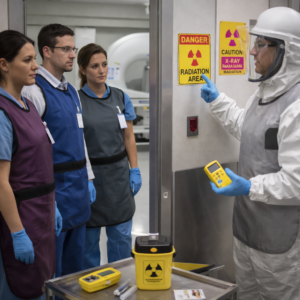
- Understand how first aid, spill response, rescue needs, and emergency services coordination may form part of workplace planning.
- Contribute to a stronger safety culture through better preparedness, clearer communication, and more consistent emergency-response awareness.
Who This Is For
- Managers, supervisors, and team leaders responsible for emergency arrangements, staff coordination, or workplace readiness.
- Health and safety personnel seeking a practical foundation in emergency preparedness and response planning.
- Facilities, operations, and site-management teams involved in evacuation, alarms, emergency equipment, or response procedures.
- Employees who may be expected to support emergency roles, first response actions, or safe evacuation during incidents.
- Organizations aiming to improve emergency resilience, reduce confusion, and strengthen response coordination across teams.
- Anyone who needs a clearer understanding of how workplace emergency planning should work before, during, and after an incident.
Why Add This Course to Your Safety Program
Emergency preparedness is one of the clearest signs of a well-managed workplace. When people understand the plan, know their roles, and have practiced the response, organizations are better positioned to reduce harm, protect operations, and recover faster when something goes wrong.
For employers, that means stronger resilience, better coordination, and fewer avoidable failures during critical moments. For learners, it means practical knowledge they can apply immediately to support calm, effective action when it matters most.
Build a Workplace That Is Ready Before the Emergency Begins
The most effective emergency response starts long before an alarm sounds. It starts with planning, training, coordination, and clear leadership. This course helps teams strengthen those essentials and create a more prepared, more confident, and more resilient workplace.