Biological Hazards Training
Recognize Hidden Exposure Risks. Protect People Earlier. Build Safer Work Practices Before Illness Spreads.
Biological hazards are often invisible, but their impact on health, operations, and workplace safety can be serious. From bacteria and viruses to fungi, contaminated materials, and other infectious sources, exposure can happen during routine tasks if the right controls are not in place. This course helps learners understand where the risks come from and how safer actions can prevent avoidable harm.
Why This Training Matters
Biological hazards can be present in healthcare, laboratories, waste handling, cleaning, facilities work, animal contact, contaminated environments, and many other settings. The danger is not always obvious at first, which is why exposure can happen through poor hygiene, unsafe handling, contaminated surfaces, poor segregation, or weak reporting and control measures.
This training helps turn uncertainty into awareness by giving learners a practical understanding of biological risk, exposure prevention, and safer workplace behavior.
What Makes This Course Valuable
Better Biological Hazard Awareness
Understand the types of biological hazards that may be encountered at work and why they can affect health, safety, and operational continuity.
Stronger Exposure Prevention
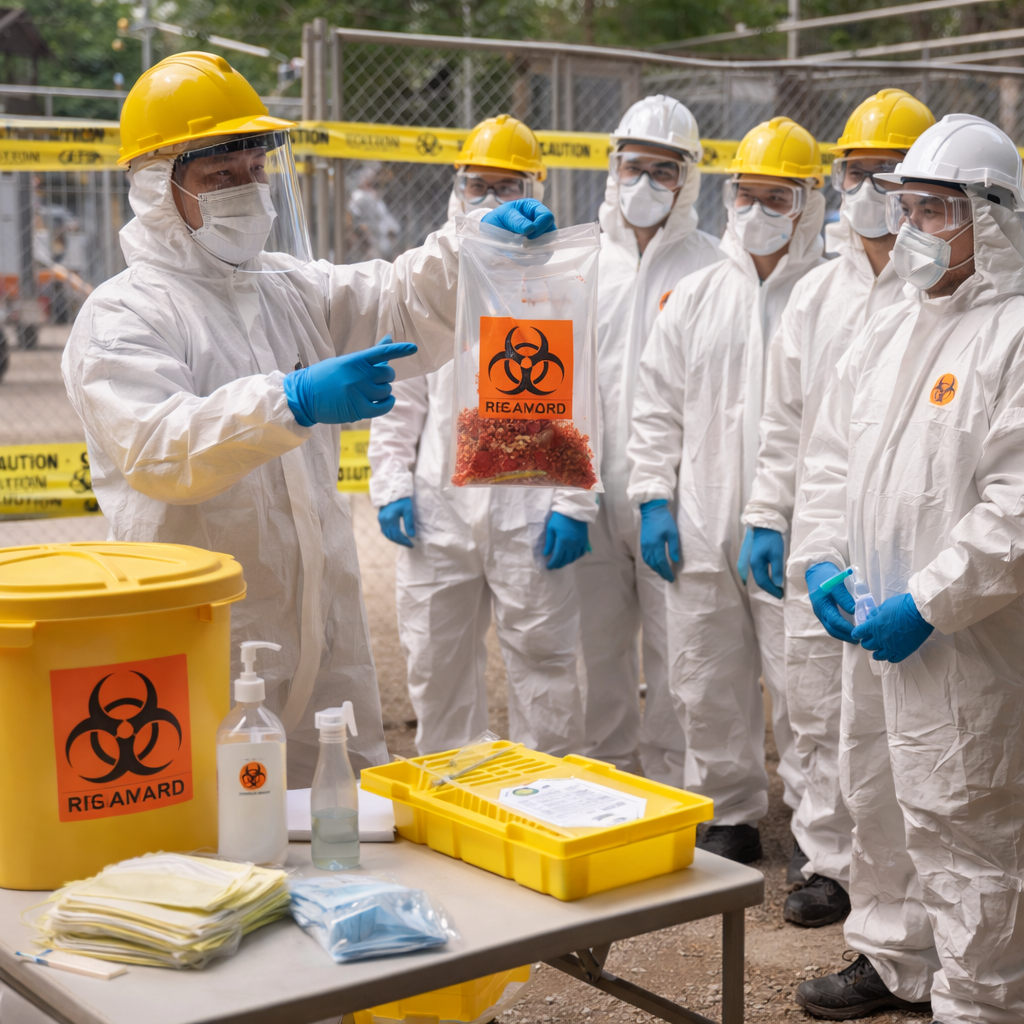
Build practical awareness of hygiene, contamination control, safe handling, waste management, and workplace practices that help reduce exposure risk.
A Safer, More Prepared Workplace
Support more consistent reporting, safer decision-making, and stronger control measures across teams working in higher-risk environments.
Course Overview
This course provides a practical introduction to biological hazards in the workplace. It focuses on understanding common exposure sources, identifying where biological risks may arise, and applying control measures that help reduce infection risk, contamination, and unsafe exposure.
It is designed for organizations that want stronger health protection and for learners who need a clearer understanding of how to work more safely in environments where biological hazards may be present.
Learning Outcomes
By the end of this course, learners should be able to:
- Explain what biological hazards are and why they are important workplace health concerns.
- Recognize common sources of biological exposure such as contaminated materials, bodily fluids, waste, surfaces, equipment, animals, or environmental sources.
- Identify how biological agents can affect health through infection, allergy, toxicity, or contamination.
- Understand the importance of risk assessment and exposure control in managing biological hazards.
- Describe practical control measures such as hygiene, safe handling, cleaning, segregation, decontamination, and suitable protective equipment.
- Recognize the importance of reporting exposure concerns, symptoms, incidents, and unsafe conditions promptly.
- Understand the role of workplace procedures, training, and supervision in reducing biological risk.
- Support a stronger culture of prevention, safer behavior, and health protection across everyday operations.
Who This Is For
- Healthcare, laboratory, cleaning, waste, facilities, and environmental services personnel who may be exposed to biological hazards during work.
- Supervisors and managers responsible for occupational health, hygiene practices, and exposure control measures.
- Health and safety professionals looking to strengthen biological hazard awareness and workplace prevention strategies.
- Workers involved in handling contaminated materials, waste streams, sharps, animal-related tasks, or high-contact environments.
- New starters and existing employees who need practical awareness training on biological risk and safer work behavior.
- Organizations aiming to improve compliance, reduce exposure risk, and strengthen workplace health protection across teams.
Why Add This Course to Your Safety Program
Biological hazards are easier to control when workers understand them before exposure occurs. Training helps teams recognize risk earlier, follow safer procedures more consistently, and reduce the likelihood of illness, contamination, disruption, and avoidable incidents.
For employers, that means stronger prevention, better workforce awareness, and a more reliable health-protection culture. For learners, it means practical knowledge they can apply immediately in real workplace conditions.
Build a Safer Approach to Biological Risk
Safer workplaces start with awareness, prevention, and the confidence to act correctly before exposure spreads. This course helps teams strengthen those essentials and create a more informed, more protective approach to biological hazard safety.
Related topics: workplace hygiene, infection prevention, illness prevention, cleaning procedures, disinfecting, exposure control, hand hygiene, PPE, sanitation, workplace health, communicable disease controls, compliance training