Workplace Safety & Risk Prevention
Conducting a Job Hazard Analysis Training
The safest workplaces do not wait for incidents to reveal risk. They identify hazards early, evaluate each task carefully, and put the right controls in place before work begins. This course helps you build the practical skills to conduct Job Hazard Analyses with more confidence, consistency, and real-world value.
Why this training matters
Too many workplace incidents begin with a routine task that was never broken down properly, a hazard that was underestimated, or a control that was not clearly defined. When teams rely on assumptions instead of structured analysis, small oversights can quickly turn into injuries, delays, damage, and compliance issues.
This training gives you a practical framework for analyzing jobs step by step, identifying what can go wrong, and selecting controls that help reduce risk before work starts. The result is safer planning, better communication, and stronger day-to-day operational control.
What you will gain
🧩
A step-by-step JHA approach
Learn how to break work into clear task steps so hazards can be recognized before they lead to incidents.
🔎
Stronger hazard recognition
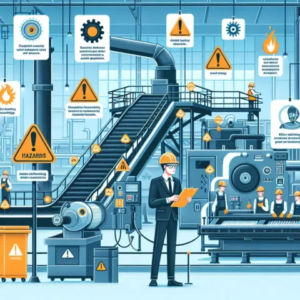
Improve your ability to spot physical, procedural, equipment, environmental, and human-factor risks within each job.
🛡️
Better control decisions
Understand how to connect identified hazards with effective control measures that support safer, more consistent execution.
Course overview
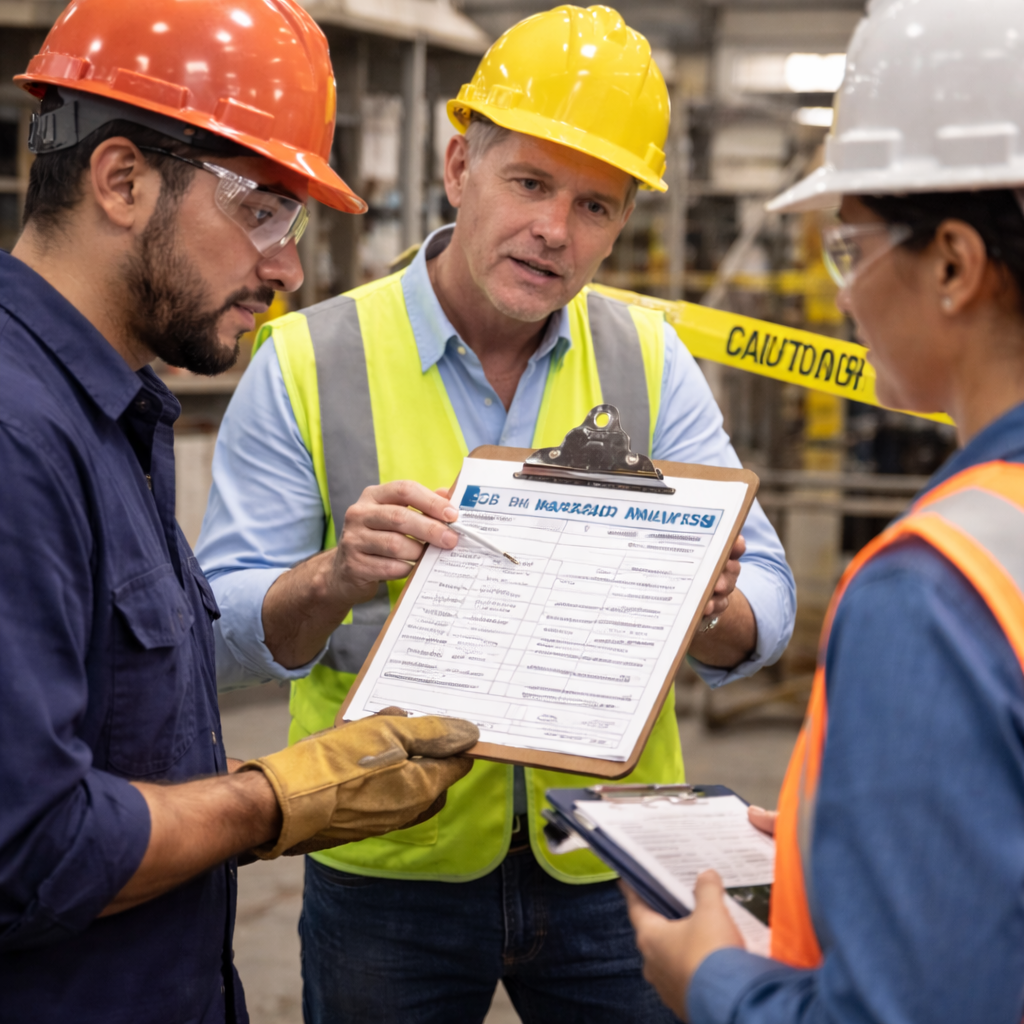
Conducting a Job Hazard Analysis Training is designed to help learners understand how to examine work systematically, identify hazards before they occur, and support safer task planning across operations. The course focuses on a practical JHA process that can improve hazard awareness, strengthen communication, and support better preventive action.
Whether you are building a stronger safety process from the ground up or improving how job risks are reviewed in the field, this training supports a more proactive approach to injury prevention and operational safety.
Learning Outcomes
- Understand the purpose and value of a Job Hazard Analysis in preventing workplace injuries and incidents.
- Learn how to select and prioritize jobs or tasks that should be analyzed first.
- Break a job down into logical steps so hazards can be reviewed more clearly and consistently.
- Identify common hazard types and recognize how conditions, tools, environment, and work practices contribute to risk.
- Describe hazard scenarios more effectively by considering exposure, triggers, contributing factors, and potential consequences.
- Support better control selection by linking hazards with practical preventive measures and safer work procedures.
- Improve communication, documentation, and ongoing review of JHAs so they remain useful as jobs, equipment, or conditions change.
Who This Is For
Supervisors, Foremen & Team Leaders
Ideal for those responsible for planning work, overseeing crews, and ensuring tasks are completed safely.
Safety Officers & EHS Personnel
Valuable for professionals who support hazard identification, risk assessment, safe procedures, and incident prevention programs.
Managers, Coordinators & Workers Involved in Task Planning
A strong fit for anyone who needs to recognize job-specific hazards, improve planning quality, and contribute to safer work execution.
Make hazard prevention part of every task
Effective Job Hazard Analysis is not just a compliance exercise. It is a practical tool for improving decisions before work begins, reducing uncertainty in the field, and protecting people through better planning.
This course helps you build that capability so your team can approach work with greater clarity, stronger controls, and a more proactive safety mindset.
Related topics: hazard identification, risk assessment, job hazard analysis, hierarchy of controls, control measures, corrective actions, incident prevention, safety planning, workplace hazards, employee involvement, regulatory compliance, workplace safety