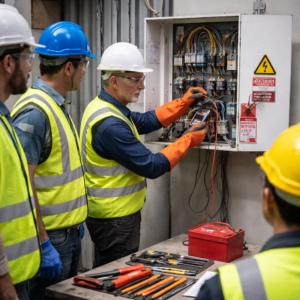
Advanced Incident Investigation Techniques
Turn investigations into prevention, not blame.
Every incident and near miss carries a lesson, but only if your team knows how to capture it properly. This course helps organizations move beyond surface-level conclusions and weak follow-up by building stronger investigation skills that lead to real corrective action, better learning, and fewer repeat events.
Why advanced investigation skills matter
Too many investigations stop at “human error” and never uncover the deeper system issues that allow the same problems to happen again. When evidence is missed, interviews are weak, or corrective actions are poorly designed, organizations lose the chance to prevent recurrence.
This training is designed to help investigators ask better questions, analyze incidents more effectively, and build corrective actions that actually reduce risk. The result is stronger learning, better accountability, and more reliable safety performance over time.
What this course helps you achieve
Find Deeper Causes
Move beyond symptoms and uncover the system weaknesses, human factors, and decision gaps that contribute to incidents.
Collect Better Evidence
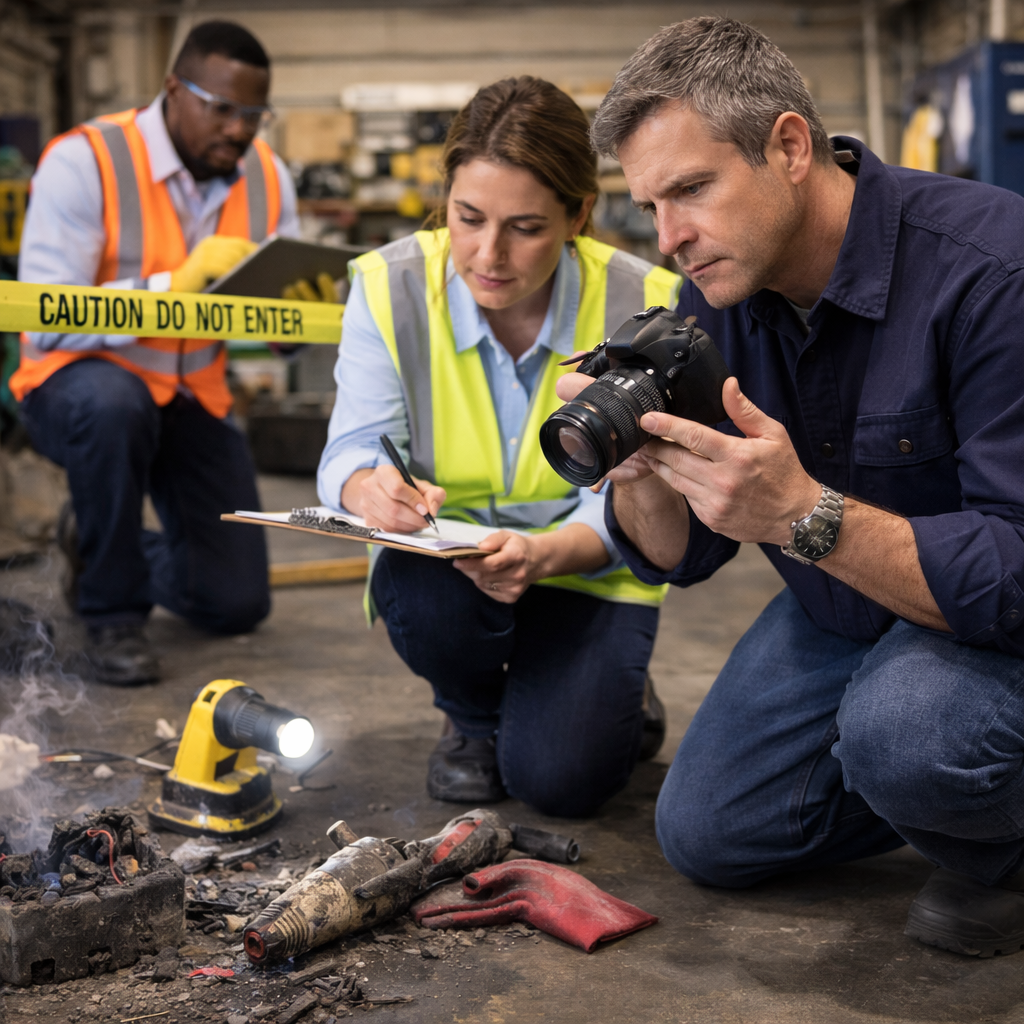
Strengthen scene control, documentation, interview quality, and evidence gathering so findings are more accurate and useful.
Build Stronger Corrective Actions
Learn how to write actions that address risk at its source instead of creating weak fixes that fail under pressure.
Improve Organizational Learning
Track actions to closure, communicate lessons clearly, and build a reporting culture that supports earlier detection of risk.
Course Overview
This Advanced Incident Investigation Techniques course provides a practical framework for improving the quality of investigations after incidents, accidents, and near misses. It focuses on how to capture facts more effectively, identify underlying causes, and convert findings into corrective actions that lead to measurable prevention.
Learners will strengthen their approach to scene control, evidence collection, interviewing, human factors analysis, causal thinking, and action validation. The course is built to help teams move from reactive reporting to disciplined investigation practices that reduce repeat incidents, improve compliance, and strengthen learning across the organization.
Learning Outcomes
- Understand how advanced investigation techniques improve learning from incidents, accidents, and near misses.
- Secure investigation scenes more effectively and gather stronger physical, documentary, and witness evidence.
- Conduct interviews more confidently using methods that improve reliability, clarity, and useful detail.
- Apply root cause and causal analysis tools to identify system issues rather than stopping at surface-level conclusions.
- Recognize the role of human factors, communication breakdowns, and decision-making weaknesses in incident causation.
- Write corrective actions that are practical, risk-based, and more likely to prevent recurrence.
- Track actions to closure and validate whether corrective measures are actually working.
- Strengthen reporting culture and organizational learning through clearer communication and more repeatable investigation practices.
Who This Is For
Supervisors
Safety professionals
Managers
Team leads
Safety committee members
Organizations seeking stronger investigation quality and follow-through
Why this training adds value
Strong investigations do more than explain what happened. They reveal where controls failed, where systems need improvement, and what actions will actually reduce the chance of recurrence.
This course helps organizations replace blame-based conclusions with better evidence, stronger analysis, and corrective-action discipline that improves handoffs, strengthens trust, and supports safer performance on every shift.
Build investigation skills that prevent the next incident
Equip your leaders with practical investigation tools, stronger corrective-action thinking, and a clearer process for turning near misses and incidents into real prevention results.
Related topics: incident investigation, accident investigation, root cause analysis, accident reporting, corrective actions, witness interviews, evidence collection, near miss reporting, safety metrics, prevention planning, management review, workplace safety