Safety Supervision Fundamentals
Build safer teams, stronger accountability, and more confident day-to-day supervision
Strong safety performance does not happen by chance. It depends on supervisors who can recognise risks, guide safe behaviour, reinforce standards, and respond effectively when issues arise. This course helps supervisors build the practical foundation they need to lead safety with more clarity, consistency, and confidence.
Why this course matters
Supervisors are often the link between policy and real work. When expectations are unclear, hazards go unnoticed, controls are not followed, or unsafe behaviours are left unchallenged, the risk to people and operations increases quickly.
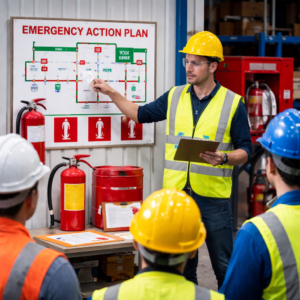
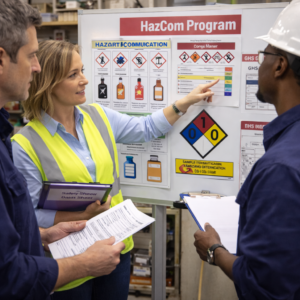
This course helps close that gap by strengthening the core supervision skills that support safer workplaces. Learners gain a clearer understanding of their role in safety leadership, hazard awareness, communication, monitoring, and everyday decision-making that influences team performance.
👷
Lead Safety More Effectively
Help supervisors translate safety expectations into everyday action on the job.
⚠️
Improve Hazard Awareness
Build stronger understanding of risk recognition, controls, and safe work oversight.
🗣️
Strengthen Communication
Reinforce clearer coaching, instruction, reporting, and safety conversations with teams.
📋
Support Consistent Compliance
Encourage better follow-through on procedures, controls, training, and supervision.
Course Overview
Safety Supervision Fundamentals is designed to give current and aspiring supervisors a practical understanding of their role in creating and maintaining a safer workplace. It focuses on the everyday responsibilities that influence whether work is carried out safely, consistently, and in line with expectations.
The course explores the foundations of effective safety supervision, including setting expectations, understanding responsibilities, recognising hazards, supporting control measures, monitoring work practices, and responding appropriately when concerns, incidents, or unsafe conditions arise. It also reinforces the importance of communication, coaching, and accountability in building safer teams.
For organisations, this training supports stronger frontline leadership, better safety culture, and more reliable supervision across day-to-day operations. It helps supervisors become more confident in guiding teams, managing risk, and reinforcing the behaviours that keep people safe.
Learning Outcomes
✓ Understand the core role and responsibilities of supervisors in workplace safety
✓ Recognise how supervisors support safe systems of work, control measures, and policy implementation
✓ Improve awareness of hazard recognition, risk control, and day-to-day work monitoring
✓ Build stronger communication skills for coaching, instruction, and reinforcing safe behaviour
✓ Understand the importance of reporting concerns, responding to incidents, and supporting investigations
✓ Support a more consistent safety culture through accountability, visibility, and leadership
✓ Recognise when additional supervision may be needed for new, inexperienced, or higher-risk work situations
Who This Is For
This course is especially suitable for:
Frontline supervisors
Team leaders
Shift managers
Newly promoted supervisors
Operations and production leaders
Anyone with responsibility for directing work safely
It is ideal for organisations that want to strengthen frontline leadership, improve consistency in safety supervision, and give supervisors the confidence to manage people and risk more effectively.
Better supervision creates safer performance
Policies and procedures matter, but safety improves most when supervisors know how to lead, check, coach, and act. Strong supervision helps teams stay aligned, reduce risk, and respond earlier when problems appear.
Give your supervisors the practical foundation to lead with confidence, reinforce safer behaviour, and help create a workplace where safety is actively managed every day.
Related topics: safety supervision, supervisor responsibilities, hazard recognition, safety coaching, incident reporting, accountability, safety inspections, corrective action, employee engagement, regulatory compliance, communication, workplace safety