Heat & Cold Stress Safety Training
Stay Safe in Extreme Temperatures. Recognize the Signs Early. Protect People Before Conditions Turn Critical.
Heat and cold can place serious strain on the body long before the risk feels obvious. Whether the challenge comes from outdoor weather, hot processes, cold rooms, frozen storage, or physically demanding tasks, temperature-related illness can escalate quickly when warning signs are missed. This course helps learners understand how temperature extremes affect the body and what practical actions reduce risk before it becomes an emergency.
Why This Training Matters
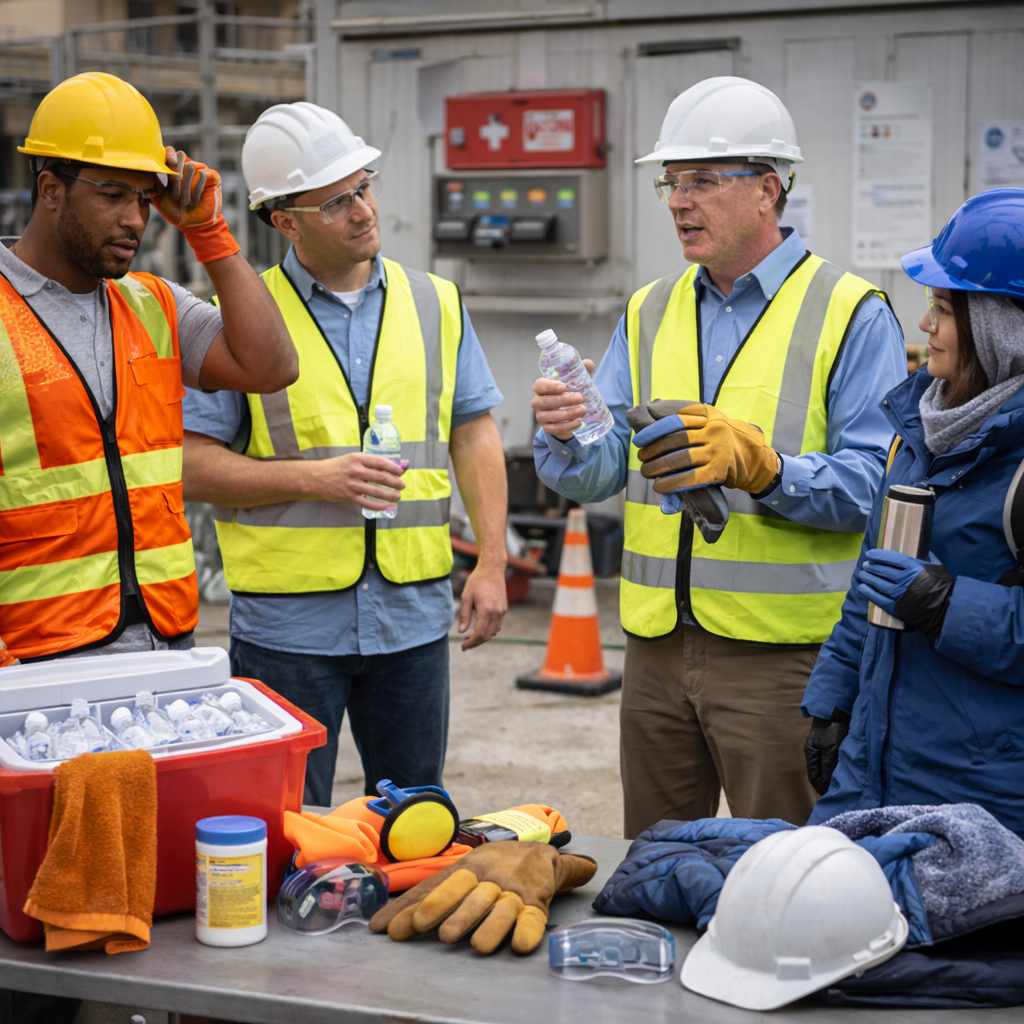
Temperature stress can affect concentration, reaction time, physical performance, decision-making, and overall safety. In hot conditions, dehydration, heat exhaustion, and heat stroke can develop rapidly. In cold conditions, reduced dexterity, poor judgment, hypothermia, and cold-related injuries can become serious risks if exposure is not controlled.
This training helps teams move beyond basic awareness and build a more practical approach to planning work, recognizing early warning signs, and protecting workers in hot and cold environments.
What Makes This Course Valuable
Better Recognition of Temperature Risk
Understand the factors that increase heat and cold stress, including workload, humidity, wind, clothing, exposure time, and individual vulnerability.
Safer Work Planning and Prevention
Build practical awareness of hydration, rest breaks, warm-up or cool-down periods, clothing choices, exposure limits, and task planning that reduce risk.
Stronger Emergency Readiness
Support quicker action when workers show signs of heat- or cold-related illness, helping teams respond earlier and more effectively.
Course Overview
This course provides a practical introduction to heat and cold stress safety in the workplace. It focuses on understanding temperature-related hazards, identifying early symptoms, applying protective measures, and planning work in ways that help prevent illness and reduce operational risk.
It is designed for organizations that want stronger awareness of temperature stress and for learners who need a clear, practical foundation in protecting themselves and others in extreme working conditions.
Learning Outcomes
By the end of this course, learners should be able to:
- Explain why heat stress and cold stress are serious workplace health and safety concerns.
- Recognize the main risk factors that increase temperature-related illness and injury.
- Identify early warning signs of heat exhaustion, heat stroke, dehydration, hypothermia, frostbite, and related temperature-stress conditions.
- Understand the importance of work planning, rest breaks, hydration, clothing, and exposure control in preventing temperature-related harm.
- Describe practical protective measures for hot and cold working environments.
- Recognize how workload, environment, and personal factors can affect heat and cold stress risk.
- Understand the importance of reporting symptoms early and responding promptly to signs of temperature-related illness.
- Support a safer workplace culture by applying better awareness, prevention, and emergency-response thinking in temperature extremes.
Who This Is For
- Workers exposed to hot outdoor conditions, cold weather, hot processes, cold rooms, frozen environments, or temperature-intensive tasks.
- Supervisors and team leaders responsible for planning work in extreme temperatures and monitoring worker wellbeing.
- Health and safety personnel seeking stronger awareness of heat and cold stress prevention across teams.
- Construction, logistics, utilities, warehousing, manufacturing, agriculture, facilities, and maintenance personnel.
- New starters and existing employees who need practical training on temperature-related hazards and protective measures.
- Organizations aiming to reduce illness risk, improve preparedness, and strengthen safe work planning in challenging temperature conditions.
Why Add This Course to Your Safety Program
Temperature-related incidents are easier to prevent when workers know what to look for before symptoms become severe. Training helps teams plan better, protect themselves more effectively, and respond sooner when conditions start to affect health and performance.
For employers, that means stronger prevention, fewer avoidable incidents, and better support for safe operations in changing environments. For learners, it means practical knowledge they can apply immediately in real work situations where heat and cold must be managed, not ignored.
Build Safer Temperature-Stress Awareness Before Conditions Become Critical
The safest teams are the ones that recognize risk early, plan work carefully, and act fast when warning signs appear. This course helps organizations build that awareness and create a stronger, more protective approach to heat and cold stress safety.
Related topics: energy storage systems, ESS safety, battery energy storage, lithium-ion battery hazards, thermal runaway, electrical hazards, fire prevention, emergency response, hazard assessment, energy control, workplace safety, compliance training