Electrical Safety Essentials
Spot the Hazard Early. Work More Safely. Prevent Shock, Burns, and Arc Incidents Before They Happen.
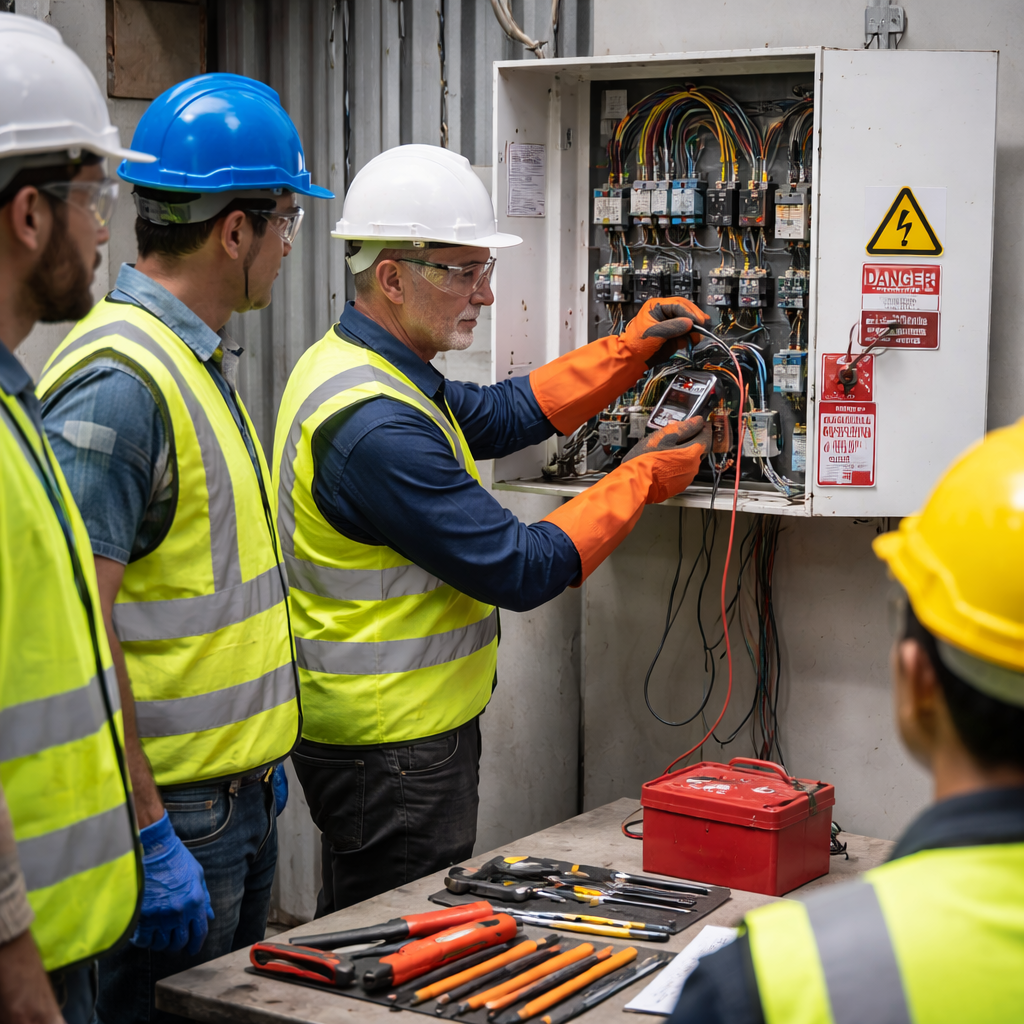
Electrical hazards can exist in almost every workplace, from damaged cords and overloaded outlets to panels, tools, equipment, and maintenance activities near energized systems. This course helps learners build the awareness and practical judgment needed to recognize electrical risk early, follow safer behaviors, and support stronger workplace protection every day.
Why This Training Matters
Electrical incidents rarely happen without warning signs. Damaged equipment, poor isolation, unsafe behaviors, missing inspections, and lack of hazard awareness can all turn routine work into a serious event. Even a brief mistake around electrical equipment can lead to injury, equipment damage, operational disruption, and avoidable downtime.
This training helps teams move from basic caution to practical prevention by building a stronger understanding of where electrical hazards exist, how risk increases, and what safe everyday actions make the biggest difference.
What Makes This Course Valuable
Stronger Hazard Awareness
Understand common electrical dangers such as exposed parts, damaged cords, overloaded systems, unsafe panels, and poor work practices around energized equipment.
Safer Daily Behaviors
Build practical awareness of inspection, defect reporting, isolation awareness, safe use of electrical equipment, and the actions that help reduce shock and burn risk.
Better Workplace Protection
Support a more disciplined safety culture where workers notice hazards earlier, avoid unsafe shortcuts, and help prevent incidents before they escalate.
Course Overview
This course provides a practical introduction to electrical safety in the workplace. It focuses on helping learners understand electrical hazards, recognize unsafe conditions, follow safer behaviors around equipment, and appreciate the importance of inspection, isolation awareness, reporting, and safe work practices.
It is designed for organizations that want stronger electrical-risk awareness and for learners who need a clear, practical understanding of how to work more safely in environments where electrical hazards may be present.
Learning Outcomes
By the end of this course, learners should be able to:
- Explain why electrical safety is essential in protecting people, equipment, and workplace operations.
- Recognize common electrical hazards such as damaged cords, unsafe outlets, exposed components, overloaded circuits, and poor equipment condition.
- Understand the importance of safe behaviors around energized equipment and restricted access areas.
- Identify the role of inspection, defect reporting, and basic isolation awareness in preventing incidents.
- Recognize how shock, burns, arc-related injuries, and secondary incidents can result from unsafe electrical practices.
- Understand the importance of using suitable equipment, following procedures, and avoiding unsafe shortcuts.
- Support safer workplace conditions by reporting hazards promptly and following local electrical safety rules.
- Contribute to a stronger safety culture through better awareness, safer decisions, and more consistent electrical-risk prevention.
Who This Is For
- Employees who work near electrical equipment, tools, panels, machinery, or power supplies in everyday operations.
- Maintenance, facilities, engineering, and operational personnel who need stronger electrical hazard awareness.
- Supervisors and team leaders responsible for safe work practices and defect reporting.
- Health and safety personnel seeking to strengthen electrical-risk awareness across teams.
- New starters and existing employees who need practical training on electrical hazards and safer workplace behavior.
- Organizations aiming to reduce preventable incidents, improve hazard reporting, and reinforce safer electrical practices.
Why Add This Course to Your Safety Program
Electrical risks are easier to control when workers understand them before an incident occurs. Training helps teams identify warning signs earlier, respect safe boundaries, report defects faster, and follow safer routines around equipment that might otherwise be taken for granted.
For employers, that means stronger prevention, fewer avoidable disruptions, and better control of electrical risk across the workplace. For learners, it means practical knowledge they can apply immediately to work with more confidence and greater care.
Build Safer Electrical Awareness Before a Hazard Becomes an Incident
The best electrical safety programs start with awareness, discipline, and early action. This course helps teams strengthen those essentials and create a more informed, more protective workplace where electrical hazards are taken seriously every day.
Related topics: electrical safety, electrical hazards, shock prevention, arc flash awareness, energized work, lockout tagout, PPE selection, equipment inspection, safe work practices, incident prevention, workplace safety, compliance training