Fire Safety Training
Prevent Fire Risks Early. Protect People Fast. Build Confidence Before an Emergency Happens.
Fire can escalate in seconds, but the warning signs often appear much earlier. This course helps learners understand how workplace fires start, how risks can be reduced, and what actions matter most when every moment counts. It is designed to build stronger awareness, better preparedness, and safer workplace behavior before an incident ever begins.
Why This Training Matters
Fire risks exist in almost every workplace, whether they come from electrical equipment, hot work, flammable materials, poor housekeeping, overloaded circuits, or unsafe storage. Without the right awareness, a small oversight can quickly become a life-threatening emergency, causing injury, panic, property damage, business interruption, and lasting operational impact.
This training helps teams move from basic awareness to practical readiness by focusing on prevention, early response, and safe evacuation thinking that supports real-world workplace safety.
What Makes This Course Valuable
Stronger Fire Prevention Awareness
Help learners recognize common fire hazards earlier and understand how safer routines, checks, and controls reduce the chance of ignition and fire spread.
Better Emergency Response Readiness
Build confidence in understanding alarms, emergency actions, evacuation principles, and the importance of staying calm and acting quickly.
A Safer Workplace Culture
Support shared responsibility for fire safety across teams, helping workers, supervisors, and organizations create more prepared and resilient workplaces.
Course Overview
This course provides a practical introduction to fire safety in the workplace. It focuses on understanding how fires start, identifying common hazards, reducing risk through safer practices, and supporting effective emergency response if a fire occurs.
It is designed for organizations that want to strengthen workplace preparedness and for learners who need a clear, practical understanding of how fire safety supports both everyday operations and emergency protection.
Learning Outcomes
By the end of this course, learners should be able to:
- Explain the importance of fire safety in protecting people, property, and workplace continuity.
- Recognize common workplace fire hazards and identify conditions that could allow a fire to start or spread.
- Understand the basic principles of fire prevention through good housekeeping, safe storage, equipment awareness, and control measures.
- Identify the importance of emergency procedures, alarm awareness, and clear evacuation arrangements.
- Understand the role of escape routes, assembly points, and safe evacuation behavior during an incident.
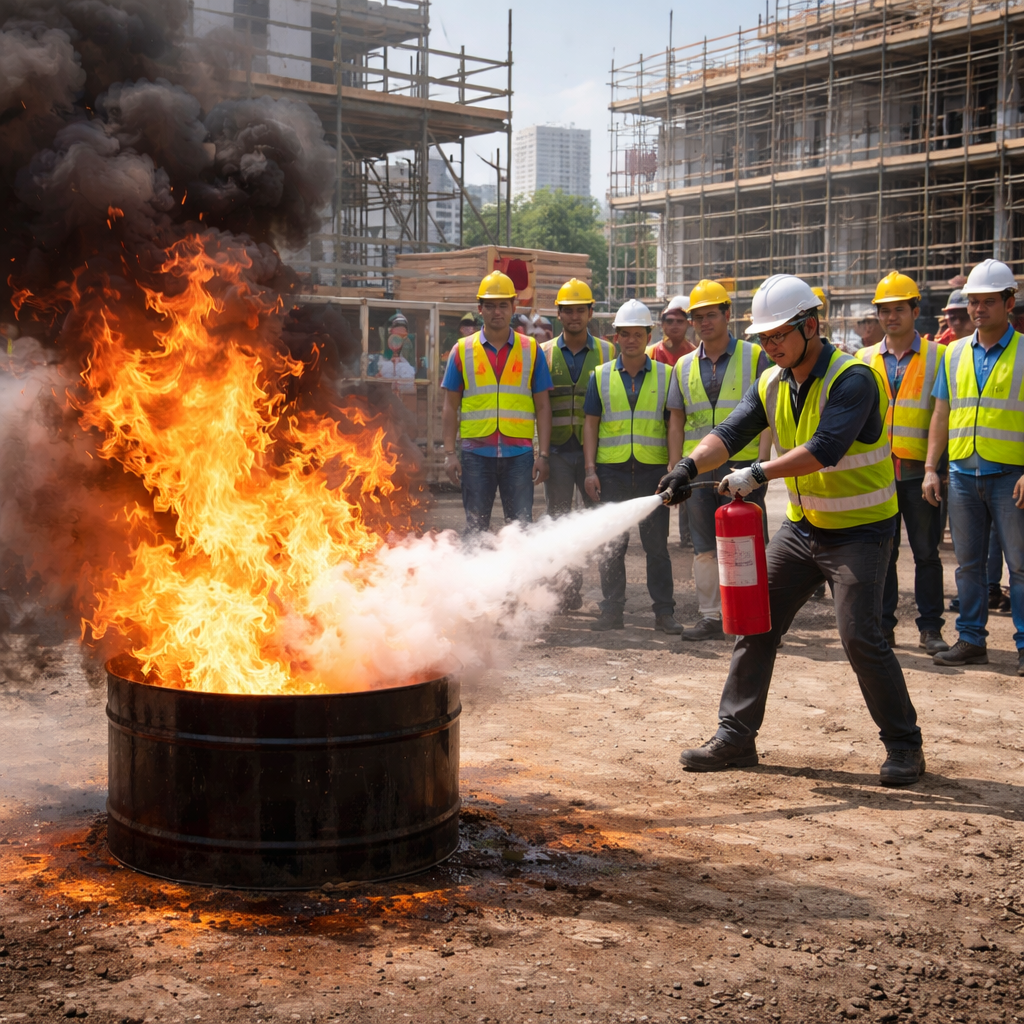
- Recognize the purpose of workplace firefighting and fire protection equipment and why correct use procedures matter.
- Support safer reporting of fire hazards, blocked exits, damaged equipment, and unsafe practices.
- Contribute to a stronger culture of preparedness, prevention, and responsible fire safety behavior across the workplace.
Who This Is For
- Employees across all industries who need a practical understanding of workplace fire risks and emergency actions.
- Supervisors and team leaders responsible for supporting safe work practices and emergency preparedness.
- Health and safety personnel looking to strengthen fire prevention awareness and workplace response readiness.
- New starters and existing staff who require clear, practical fire safety awareness training.
- Facilities, operations, maintenance, and site teams working in environments where ignition sources or combustible materials may be present.
- Organizations aiming to improve fire safety culture, reduce risk, and support safer emergency preparedness across teams.
Why Add This Course to Your Safety Program
Fire safety training is most effective when it helps people do two things well: prevent avoidable risks and respond properly when something goes wrong. When workers understand the warning signs, know the procedures, and appreciate the importance of safe evacuation, they are far better prepared to protect themselves and others.
For employers, that means stronger preparedness, reduced disruption, and a more reliable safety culture. For learners, it means practical knowledge they can apply every day to help keep the workplace safer.
Build a More Prepared Workplace Before Fire Becomes an Emergency
The strongest fire safety programs are built on awareness, prevention, and confident action. This course helps teams strengthen those essentials and create a workplace that is better prepared to reduce risk, respond quickly, and protect people when it matters most.
Related topics: emergency action plan, emergency preparedness, evacuation procedures, emergency response, fire prevention, workplace drills, alarm systems, severe weather planning, incident reporting, employee roles, crisis planning, workplace safety