-
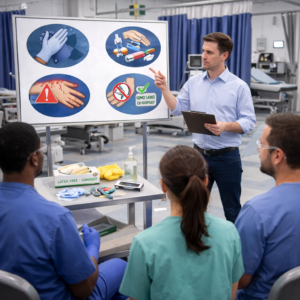 Latex allergy training covering sources of exposure, symptoms and response, substitution options, and safe work practices to prevent allergic reactions in latex-use environments.
 -
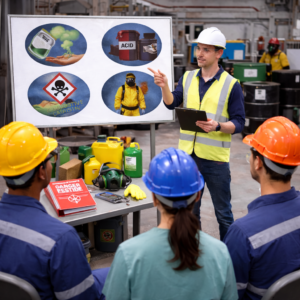 Hazardous chemicals training covering exposure routes, labeling and SDS use, safe storage/handling, control measures, and spill response basics to reduce injuries and occupational illness.
 -
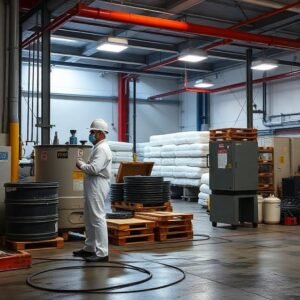 Glutaraldehyde safety covering health effects, safe use and ventilation, PPE, spill response, storage and disposal basics, and reporting to reduce exposure during disinfection tasks.
 -
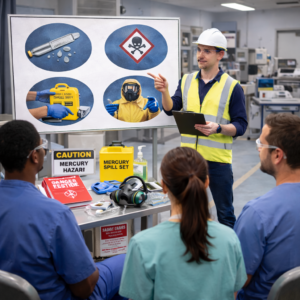 Mercury safety training covering exposure risks, spill prevention and response, safe cleanup practices, storage and disposal basics, and reporting to reduce mercury-related health risks.
 -
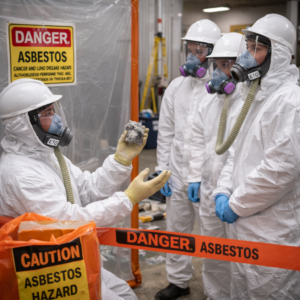 Asbestos awareness and control training covering health risks, where asbestos may be found, recognition and reporting, exposure prevention, and safe work practices to avoid disturbing ACMs.
 -
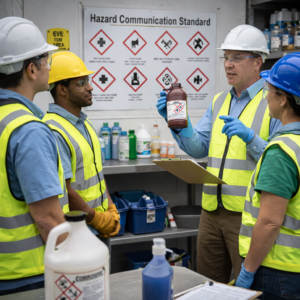 Employee HazCom training on labels and pictograms, SDS use, exposure routes, safe handling and storage, spill response basics, and reporting to prevent chemical injuries and illness.
 -
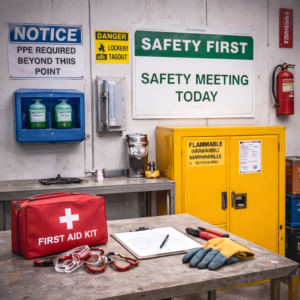 Practical training on Managing Safety & Health - General Industry Essentials covering key hazards, safe work practices, and control measures, with simple checklists and reporting steps to help prevent incidents and improve safety performance.
 -
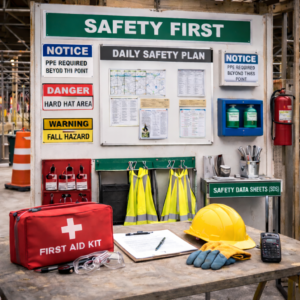 Practical training on Managing Safety & Health - Construction Essentials covering key hazards, safe work practices, and control measures, with simple checklists and reporting steps to help prevent incidents and improve safety performance.
 -
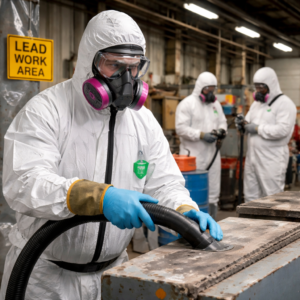 Lead safety (General industry) covering health effects, exposure routes, high-risk tasks, engineering controls, hygiene practices, PPE/respiratory awareness, and program elements to reduce exposure and support compliance.
 -
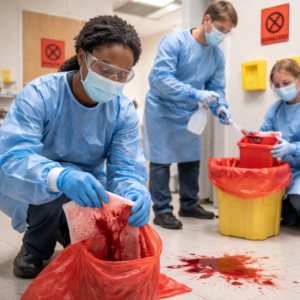 Bloodborne pathogens training covering exposure risks, standard precautions, PPE, sharps handling, cleanup, and post-exposure actions to reduce infection risk in healthcare and similar settings.
 -
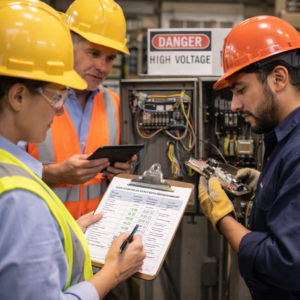 Hazard analysis and control training: identify hazards, assess risk, choose controls using the hierarchy of controls, and verify effectiveness through inspections and feedback.
 -
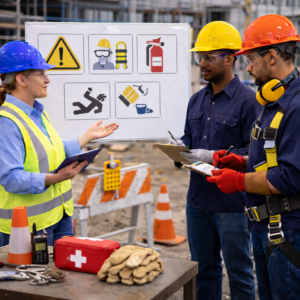 Worksite safety for construction crews covering common site hazards, access control, traffic and pedestrian separation, housekeeping, tool safety, and reporting for safer daily operations.
 -
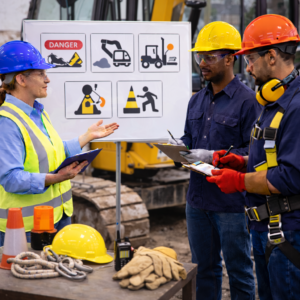 Heavy equipment safety covering pre-use checks, safe operating zones, spotter communication, blind-spot awareness, ground conditions, and maintenance isolation to prevent struck?by and rollover incidents.
 -
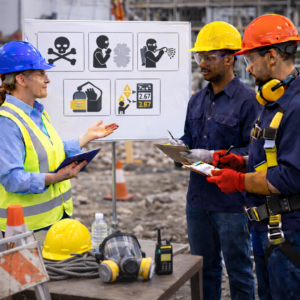 Practical training on Health Hazards in Construction Training covering key hazards, safe work practices, and control measures, with simple checklists and reporting steps to help prevent incidents and improve safety performance.
 -
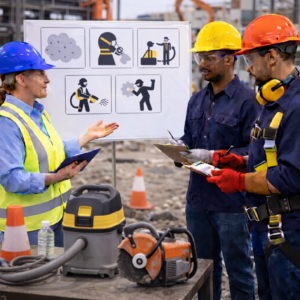 Silica dust control for construction: task-based risk recognition, wet methods and dust extraction, housekeeping, and respiratory protection awareness to reduce respirable crystalline silica exposure.
 -
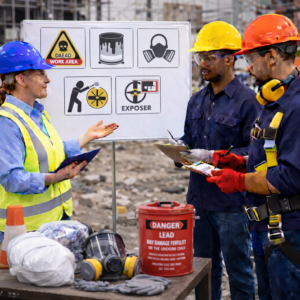 Lead safety (Construction) covering health effects, exposure routes, high-risk tasks, engineering controls, hygiene practices, PPE/respiratory awareness, and program elements to reduce exposure and support compliance.
 -
Formation de sensibilisation à l’amiante et de contrôle des risques couvrant les effets sur la santé, les lieux où l’amiante peut être présente, sa reconnaissance et son signalement, la prévention de l’exposition et les pratiques de travail sûres pour éviter de perturber des matériaux contenant de l’amiante (MCA).
-
Schulung zu Asbestbewusstsein und Asbestkontrolle mit den Themen Gesundheitsrisiken, mögliche Vorkommen von Asbest, Erkennen und Melden, Vermeidung von Exposition sowie sichere Arbeitspraktiken, um asbesthaltige Materialien (ACM) nicht zu beschädigen oder zu stören.
-
Formación en concienciación y control del amianto que abarca los riesgos para la salud, dónde puede encontrarse el amianto, su identificación y notificación, la prevención de la exposición y las prácticas de trabajo seguras para evitar alterar los MCA.
-
Formação em sensibilização e controlo do amianto que aborda os riscos para a saúde, os locais onde o amianto pode estar presente, o reconhecimento e a comunicação, a prevenção da exposição e as práticas de trabalho seguras para evitar perturbar materiais que contenham amianto (MCA).
-
Formazione sulla consapevolezza e sul controllo dell'amianto che tratta i rischi per la salute, i luoghi in cui l'amianto può essere presente, il riconoscimento e la segnalazione, la prevenzione dell'esposizione e le pratiche di lavoro sicure per evitare di disturbare i materiali contenenti amianto (MCA).
-
Training in asbestbewustzijn en -beheersing over gezondheidsrisico's, waar asbest kan voorkomen, herkenning en melding, blootstellingspreventie en veilige werkpraktijken om te voorkomen dat asbesthoudende materialen (ACM's) worden verstoord.
-
石棉认知与管控培训,涵盖健康风险、石棉可能存在的位置、识别与报告、暴露预防,以及避免扰动含石棉材料(ACMs)的安全作业规范。
-
Обучение по осведомлённости об асбесте и контролю рисков, охватывающее риски для здоровья, места возможного нахождения асбеста, его распознавание и сообщение о нём, предотвращение воздействия и безопасные методы работы, позволяющие не нарушать материалы, содержащие асбест (ACM).
-
 Intro to industrial electrical controls: common components, basic circuits, safe troubleshooting mindset, and key hazards when working around control panels and machinery.
 -
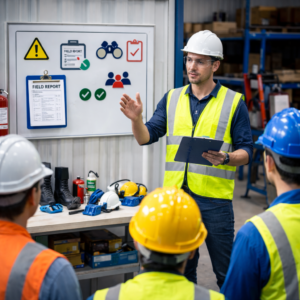 Safety supervision fundamentals: hazard control, toolbox talks, inspections, incident reporting, and coaching behaviors to help supervisors lead safer daily work.
 -
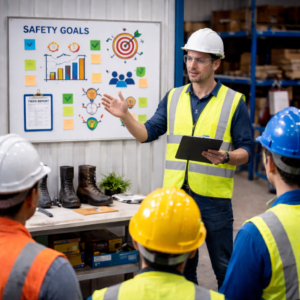 Safety leadership fundamentals: setting expectations, engaging teams, communicating risk, reinforcing safe behaviors, and driving continuous improvement to build a proactive safety culture.
 -
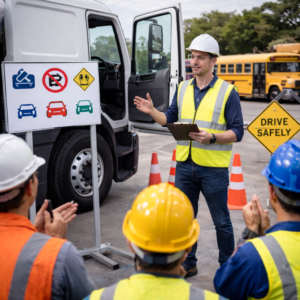 Driver safety training on defensive driving, hazard perception, fatigue and distraction control, vehicle checks, and incident response to reduce collisions during work-related driving.
 -
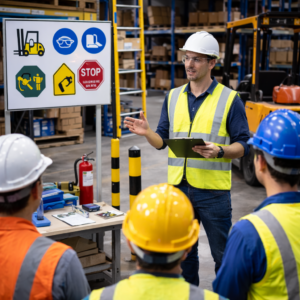 Warehouse safety training covering pedestrian?vehicle separation, racking and storage controls, manual handling, housekeeping, equipment awareness, and emergency procedures to reduce injuries and damage.
 -
 Industrial hygiene fundamentals: recognize and evaluate exposures (chemical, physical, biological) and apply control strategies, with an introduction to basic monitoring concepts and exposure prevention.
 -
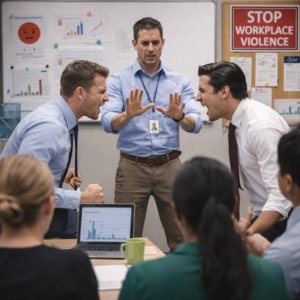 Manage stress and violence risks by identifying triggers, improving reporting and response, applying de-escalation and support practices, and strengthening policies for safer workplaces.
 -
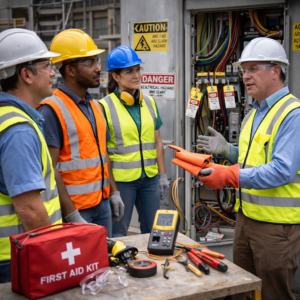 Practical training on Electrical Hazards & Controls Training covering key hazards, safe work practices, and control measures, with simple checklists and reporting steps to help prevent incidents and improve safety performance.
 -
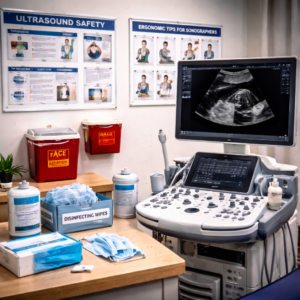 Sonography safety covering ergonomic risk reduction, infection control basics, equipment checks, and patient interaction considerations to reduce strain and improve safe practice.
 -
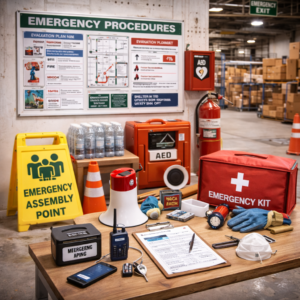 Workplace emergency preparedness: scenario planning, communications, evacuation/shelter procedures, first?response roles, drills, and post?incident review to improve response and recovery.
 -
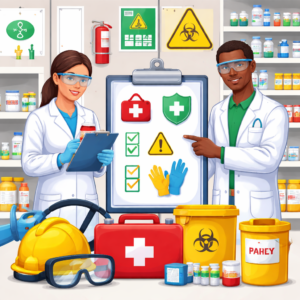 Pharmacy safety covering medication handling risks, hazardous drug awareness, spill response basics, PPE and hygiene practices, and reporting to support safer dispensing and compounding.
 -
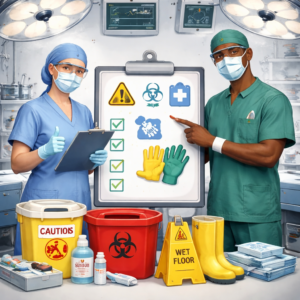 Surgical suite safety covering infection prevention behaviors, sharps and instrument controls, chemical awareness, ergonomics, and emergency readiness for safe, reliable surgical operations.
 -
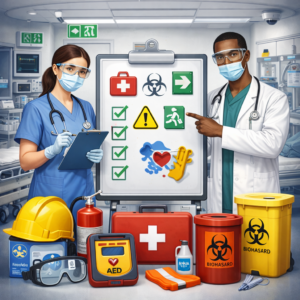 Emergency room safety covering violence risk reduction, exposure and sharps controls, safe patient handling, and rapid reporting to support safer care in fast-paced clinical settings.
 -
 Supervisor heat illness prevention covering acclimatization, work/rest planning, hydration strategy, symptom recognition, monitoring, and emergency response to prevent heat-related incidents.
 -
 Safety management fundamentals covering policy, planning, hazard/risk controls, training, inspections, incident learning, and continuous improvement for a practical safety program.
 -
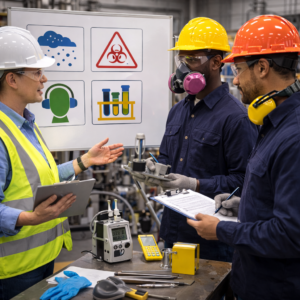 Industrial hygiene fundamentals: recognize and evaluate exposures (chemical, physical, biological) and apply control strategies, with an introduction to basic monitoring concepts and exposure prevention.
 -
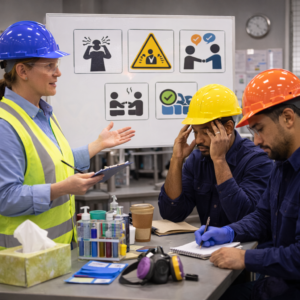 Workplace stress risk management covering psychosocial hazards, workload and role clarity, supportive supervision, practical interventions, and monitoring to protect wellbeing at work.
 -
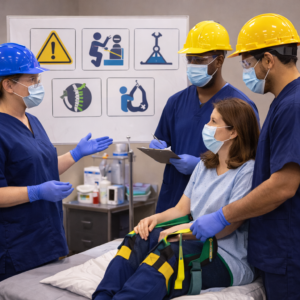 Safe patient handling fundamentals covering risk assessment, transfer aids, teamwork, communication, and injury prevention strategies to reduce caregiver strain and improve patient safety.
 -
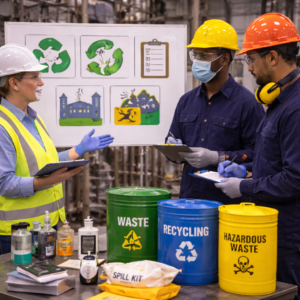 EMS fundamentals covering aspects and impacts, requirements, objectives, operational controls, audits, and continual improvement to manage environmental risk and performance.
 -
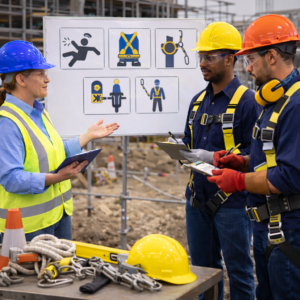 Construction fall protection essentials covering leading fall hazards, guardrails, personal fall arrest basics, ladder/scaffold awareness, and planning and supervision practices to reduce falls from height.
 -
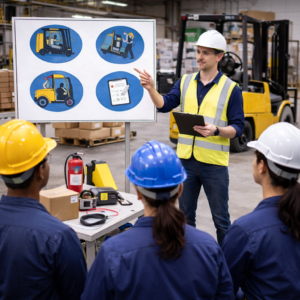 Forklift operator safety: pre-use inspections, stability and load handling, safe travel and turning, pedestrian awareness, and charging/fueling basics to prevent tip?overs and collisions.
 -
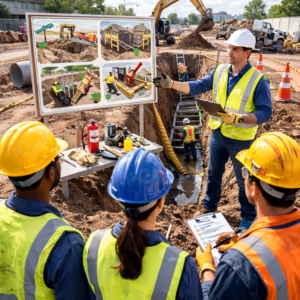 Excavation safety essentials: hazard recognition, protective system basics, competent person inspections, spoil placement, access/egress, and utility awareness to prevent cave?ins and struck?by incidents.
 -
 Incident investigation training covering scene control, evidence gathering, interviews, causal analysis, and corrective action planning to prevent repeat events.
 -
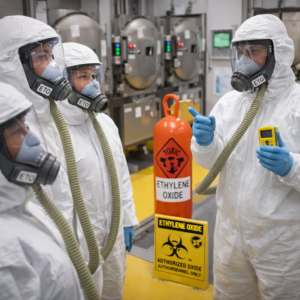 Ethylene oxide safety covering health risks, exposure routes, safe handling and storage, ventilation awareness, spill response, and prevention practices for sterilization environments.