-
 Workplace privacy and data protection covering lawful handling, confidentiality, secure storage and sharing, breach awareness, and practical habits that reduce data risk in daily work.
 -
 Electrical safety training covering hazard awareness, safe work planning, isolation/LOTO basics, equipment checks, and PPE fundamentals to prevent shock, burns, and arc incidents.
 -
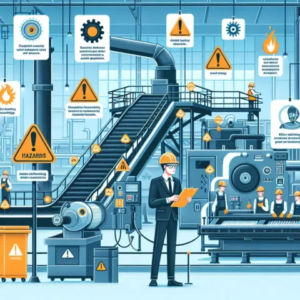 Machine safeguarding and guarding essentials: identify hazards, choose guarding methods, set safe distances, perform inspections, and apply energy-isolation awareness to prevent entanglement, crush, and cut injuries.
 -
 PPE fundamentals covering hazard-based selection, correct donning/doffing, fit basics, limitations, and care?helping reduce injury and exposure when risks can?t be fully engineered out.
 -
 Hazard communication training covering labels, SDS, pictograms, exposure controls, safe storage/handling, and spill response fundamentals for safer chemical use.
 -
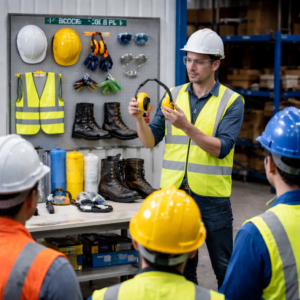 PPE selection, fit, use, and maintenance: hazard assessment, limitations, inspection routines, cleaning, storage, and replacement criteria so PPE performs reliably when needed.
 -
 Safety training fundamentals: needs analysis, learning objectives, engaging delivery methods, assessment, documentation, and follow?up so training translates into safer on?the?job performance.
 -
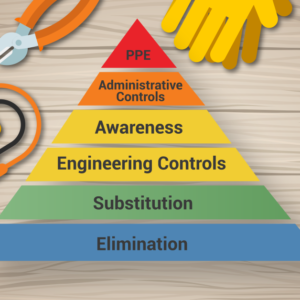
 Hazard controls fundamentals using the hierarchy of controls, including engineering and administrative measures and PPE, plus practical verification through inspections and corrective actions.
 -
 JHA fundamentals covering task-based hazard identification, control selection, worker involvement, documentation, and review cycles for safer routine and non?routine work.
 -
 Safe pallet handling and storage: stacking stability, racking limits, damaged pallet checks, forklift interface awareness, and housekeeping controls to prevent collapse, trips, and struck-by hazards.
 -
 Workplace hygiene and illness prevention covering hygiene behaviors, cleaning routines, ventilation awareness, sick-worker controls, and infection prevention practices that reduce common workplace illness spread.
 -
 Cleaning and disinfecting guidance covering product selection, contact times, PPE, ventilation, safe chemical handling, and prioritizing high-touch surfaces to improve hygiene without increasing exposure risks.
 -
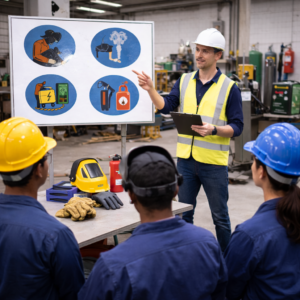 Welding safety essentials covering hot work hazards, fume and ventilation controls, fire prevention, equipment checks, cylinder handling, and PPE to prevent burns and respiratory exposure.
 -
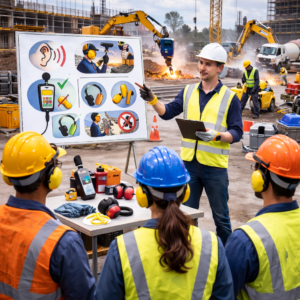 Noise and hearing protection training covering exposure awareness, control strategies, and correct selection and use of hearing protection to prevent hearing loss.
 -
 Hand and power tool safety: correct tool selection, inspection, guarding, safe handling, maintenance, and PPE to reduce cuts, flying debris injuries, and shock risks.
 -
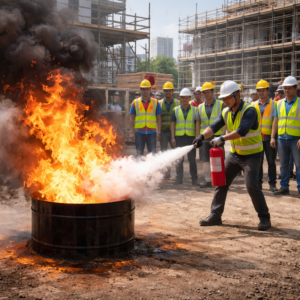 Fire safety basics covering ignition sources, prevention controls, alarms and evacuation, extinguisher awareness, and housekeeping and inspection routines that reduce the likelihood and impact of workplace fires.
 -
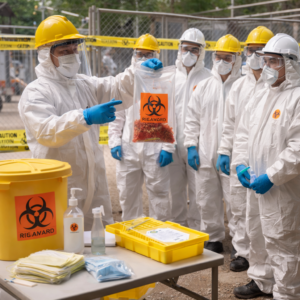 Biological hazards training covering exposure sources, prevention controls, hygiene practices, PPE basics, and response steps to reduce infection and illness risks at work.
 -
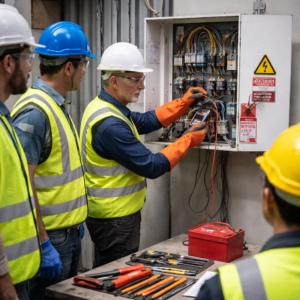 Electrical safety essentials: hazard awareness, safe planning, isolation principles, inspection routines, and PPE basics to reduce risk of shock, burns, and arc incidents.
 -
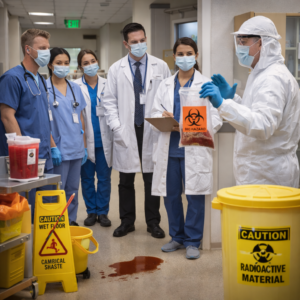 Common hospital hazards fundamentals covering slips/trips, sharps, infection risks, chemicals, ergonomics, and violence?plus practical controls and reporting steps for safer healthcare environments.
 -
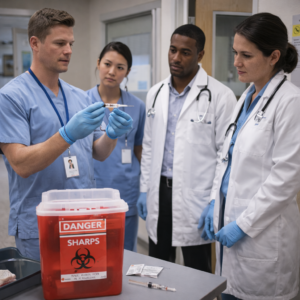 Sharps safety training covering safer devices, needle handling and disposal, work practice controls, cleanup basics, and post-exposure response to reduce needlestick injuries.
 -
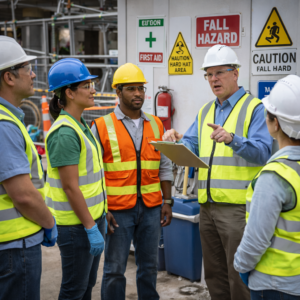 Practical training on Occupational Safety and Health Fundamentals covering key hazards, safe work practices, and control measures, with simple checklists and reporting steps to help prevent incidents and improve safety performance.
 -
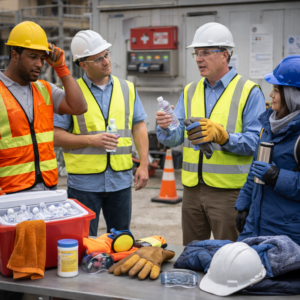 Heat and cold stress safety covering risk factors, early warning signs, protective measures, work planning, and emergency response for temperature extremes.
 -
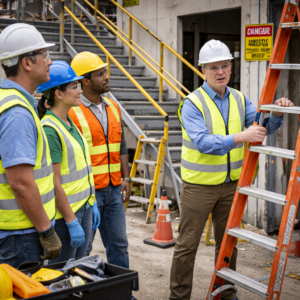 Practical training on Stairway & Ladder Safety Training covering key hazards, safe work practices, and control measures, with simple checklists and reporting steps to help prevent incidents and improve safety performance.
 -
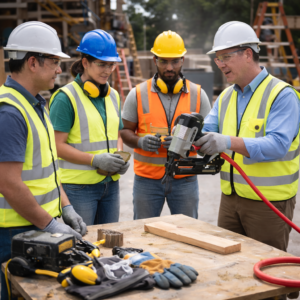 Nail gun safety covering trigger types, safe handling, positioning, material checks, PPE, and housekeeping to prevent puncture injuries and unintended discharge incidents.
 -
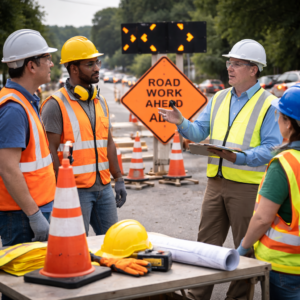 Work zone traffic safety: traffic control plans, signage, worker visibility, vehicle?pedestrian separation, spotter practices, and response steps to reduce struck?by and intrusion risks.
 -
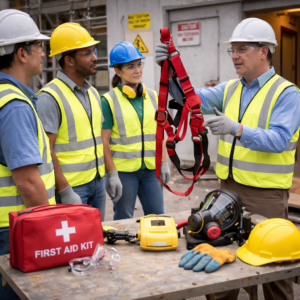 Practical training on Protective & Lifesaving Equipment Training covering key hazards, safe work practices, and control measures, with simple checklists and reporting steps to help prevent incidents and improve safety performance.
 -
 Material handling safety covering lifting and carrying techniques, mechanical aids, load stability, storage practices, and ergonomic controls to reduce strains, crush hazards, and struck-by incidents.
 -
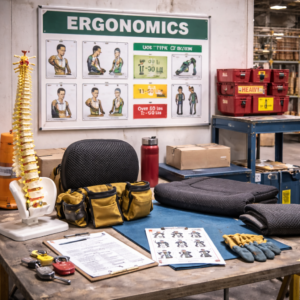 Ergonomic injury prevention covering risk factors, safe lifting, posture and task design, micro-breaks, and practical controls to reduce strains and repetitive injuries.
 -
 COVID?19 workplace preparedness covering exposure reduction measures, hygiene and cleaning practices, ventilation awareness, response planning, and communication steps to support safer operations during outbreaks.
 -
 Employee heat illness prevention covering hydration, acclimatization, early symptom recognition, safe work practices, and escalation steps for hot-weather work.
 -
 How to conduct a JHA: break tasks into steps, identify hazards, select controls, document safe procedures, and review for change?improving consistency and reducing incidents.
 -
 Ergonomics fundamentals covering MSD risk factors, task/workstation design, safe manual handling, and practical controls to reduce discomfort and injury risk.
 -
 Machine safeguarding and guarding essentials: identify hazards, choose guarding methods, set safe distances, perform inspections, and apply energy-isolation awareness to prevent entanglement, crush, and cut injuries.
 -
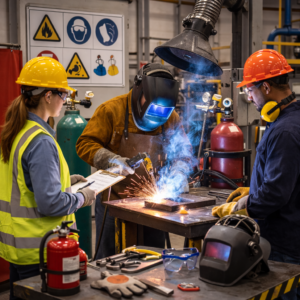 Hot work safety for welding, cutting, and brazing: permits, fire watch, cylinder handling, fume controls, ventilation, and PPE to prevent burns, fires, and exposures.
 -
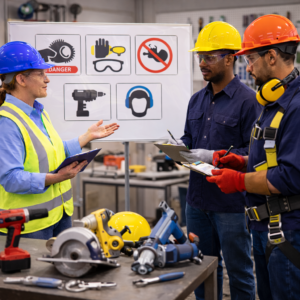 Hand and power tool safety: correct tool selection, inspection, guarding, safe handling, maintenance, and PPE to reduce cuts, flying debris injuries, and shock risks.
 -
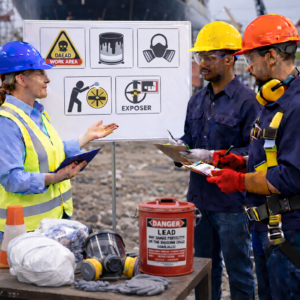 Lead safety (Shipyards) covering health effects, exposure routes, high-risk tasks, engineering controls, hygiene practices, PPE/respiratory awareness, and program elements to reduce exposure and support compliance.
 -
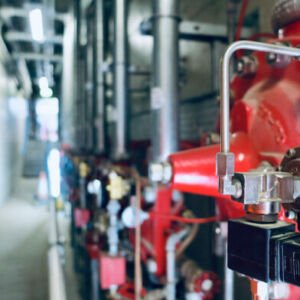 Practical fire safety and emergency response: fire hazards, prevention controls, alarms, evacuation roles, extinguisher awareness, and drill readiness so teams respond quickly and safely during incidents.
 -
 Foundational workplace H&S covering duties, hazard spotting, risk controls, safe behaviors, incident reporting, and emergency awareness?helping teams reduce common injuries and build a stronger safety culture.
 -
 Prevent slips, trips, and falls through housekeeping, surface condition controls, spill response, lighting, footwear, and safe ladder and stair practices supported by simple inspections.
 -
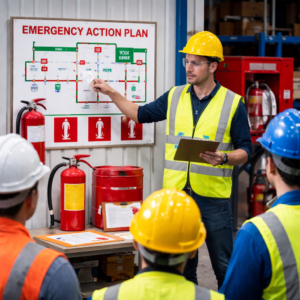 Emergency action and fire prevention planning: evacuation routes, alarms, roles, communications, drills, housekeeping, and ignition?source controls for coordinated response and prevention.
 -
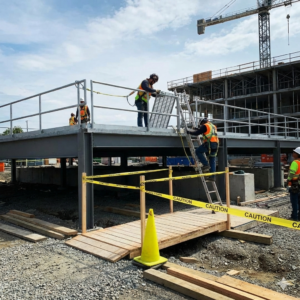 Walking/working surfaces and fall protection basics: hazard identification, surface inspections, covers and guardrails, ladder awareness, and practical controls to reduce same?level and height?related falls.
 -
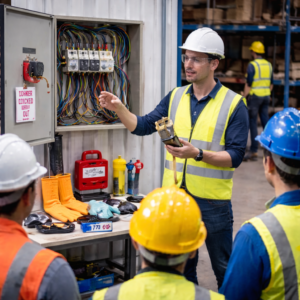 Employee electrical safety covering hazard awareness, safe behaviors around equipment, defect reporting, isolation/LOTO awareness, and practical steps to prevent shocks, burns, and arc incidents.
 -
 Safety accountability fundamentals: define roles and expectations, use leading indicators, coach performance, and apply consistent follow?through so teams own controls and reduce risk.
 -
 Build a safety recognition approach that reinforces positive behaviors with fair criteria, timely feedback, and consistent follow?through?supporting motivation without discouraging reporting.
 -
 Practical training on Physical Health Hazards in Construction Training covering key hazards, safe work practices, and control measures, with simple checklists and reporting steps to help prevent incidents and improve safety performance.
 -
 Practical training on Biological Health Hazards in Construction Training covering key hazards, safe work practices, and control measures, with simple checklists and reporting steps to help prevent incidents and improve safety performance.
 -
 Construction ergonomics training covering manual handling, awkward postures, repetitive work, and tool/work-practice improvements to reduce musculoskeletal injuries on site.
 -
 General industry ergonomics training covering common MSD risk factors, workstation setup, manual handling controls, and practical interventions to reduce strains and sprains.