-
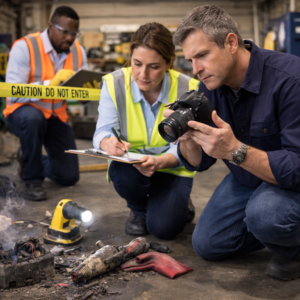 Advanced incident investigation: evidence collection, interview skills, human factors, causal analysis, and corrective action validation to prevent recurrence and strengthen learning.
 -
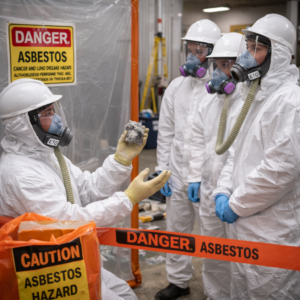 Asbestos awareness and control training covering health risks, where asbestos may be found, recognition and reporting, exposure prevention, and safe work practices to avoid disturbing ACMs.
 -
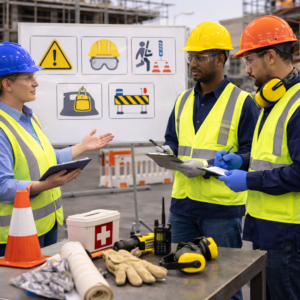 Basisprincipes van veiligheidsmanagement in de bouw: leiderschapstaken, vergunningen, toezicht, coordinatie van aannemers en inspecties om activiteiten met een hoog risico te beheersen en incidenten te verminderen.
 -
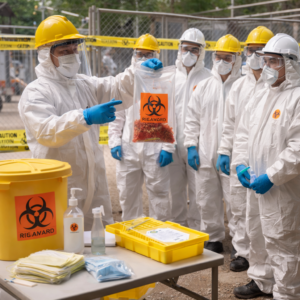 Biological hazards training covering exposure sources, prevention controls, hygiene practices, PPE basics, and response steps to reduce infection and illness risks at work.
 -
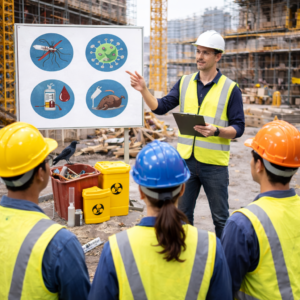 Practical training on Biological Health Hazards in Construction Training covering key hazards, safe work practices, and control measures, with simple checklists and reporting steps to help prevent incidents and improve safety performance.
 -
 Bloodborne pathogens training covering exposure risks, standard precautions, PPE, sharps handling, cleanup, and post-exposure actions to reduce infection risk in healthcare and similar settings.
 -
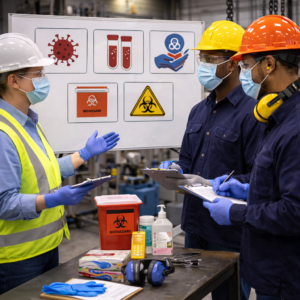 Bloodborne pathogens program administration: exposure control planning, training and documentation, device/work practice controls, incident response workflows, and continuous improvement to reduce infection risk.
 -
 Process Safety Management training covering core elements, hazard analysis concepts, management of change, operating discipline, mechanical integrity, incident investigation, and emergency planning for major hazard risks.
 -
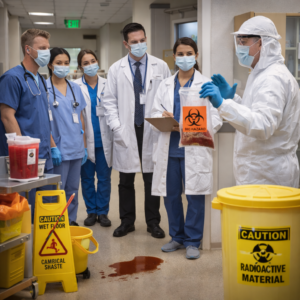 Common hospital hazards fundamentals covering slips/trips, sharps, infection risks, chemicals, ergonomics, and violence?plus practical controls and reporting steps for safer healthcare environments.
 -
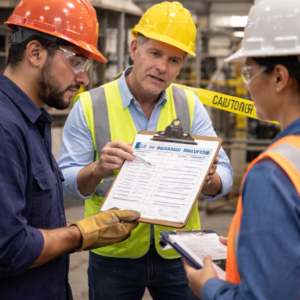 How to conduct a JHA: break tasks into steps, identify hazards, select controls, document safe procedures, and review for change?improving consistency and reducing incidents.
 -
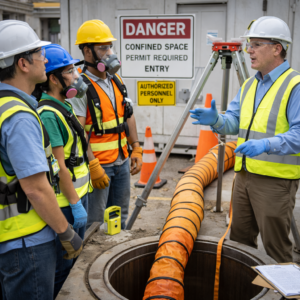 Confined space entry safety: permits, hazard identification, atmospheric testing, ventilation, isolation, attendant duties, communications, and rescue planning to prevent asphyxiation and toxic exposure.
 -
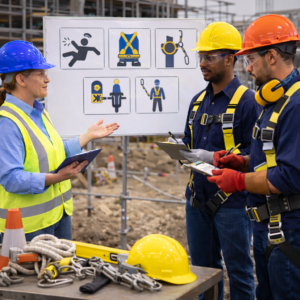 Construction fall protection essentials covering leading fall hazards, guardrails, personal fall arrest basics, ladder/scaffold awareness, and planning and supervision practices to reduce falls from height.
 -
 Construction safety and health management: planning, risk assessment, site rules, inspections, toolbox talks, incident management, and contractor coordination to control high?risk work.
 -
Construction safety management fundamentals: leadership duties, permits, supervision, contractor coordination, and inspections to control high?risk activities and reduce incidents.
-
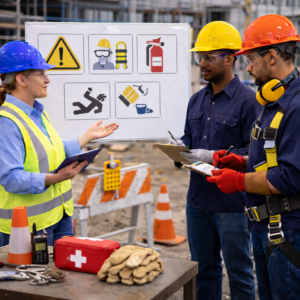 Worksite safety for construction crews covering common site hazards, access control, traffic and pedestrian separation, housekeeping, tool safety, and reporting for safer daily operations.
 -
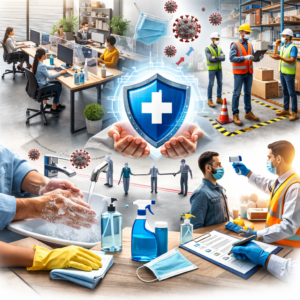 COVID?19 workplace preparedness covering exposure reduction measures, hygiene and cleaning practices, ventilation awareness, response planning, and communication steps to support safer operations during outbreaks.
 -
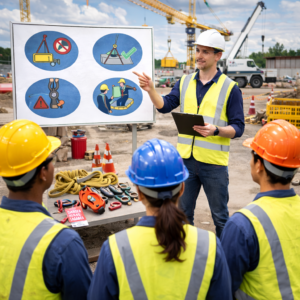 Crane and rigging essentials: lift planning, rigging selection and inspection, load control, signals and communication, and exclusion zones to prevent dropped loads and contact incidents.
 -
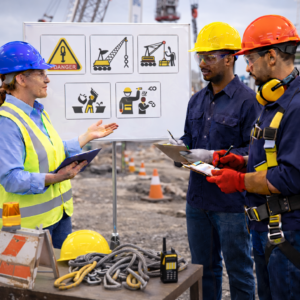 Cranes and derricks safety: planning, setup, inspection, load charts, signaling, and worksite controls to reduce overturning, power-line contact, and dropped-load hazards.
 -
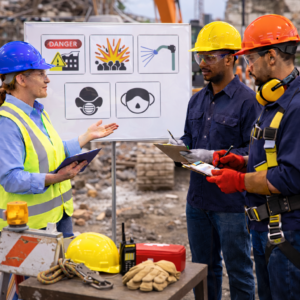 Demolition safety training covering pre-job surveys, structural stability, utility isolation, debris handling, equipment hazards, dust controls, and exclusion zones to reduce collapse and struck?by risks.
 -
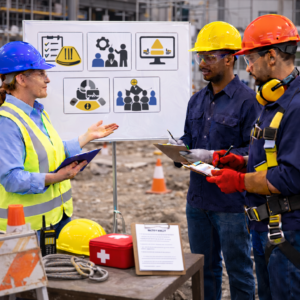 Build a construction safety management system: policy, planning, roles, risk controls, audits, performance metrics, and continuous improvement for consistent site safety outcomes.
 -
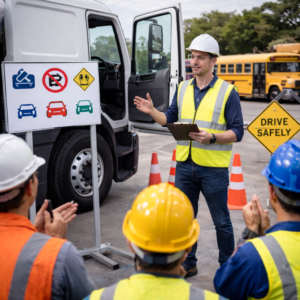 Driver safety training on defensive driving, hazard perception, fatigue and distraction control, vehicle checks, and incident response to reduce collisions during work-related driving.
 -
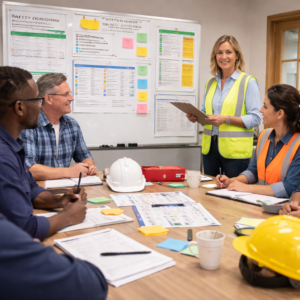 Run an effective safety committee: clear roles, meeting structure, inspections, hazard reporting, action tracking, and communication practices that turn issues into sustained improvements.
 -
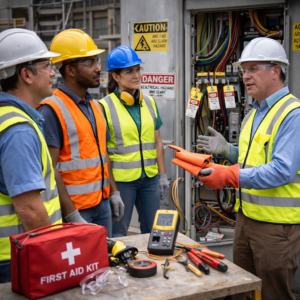 Practical training on Electrical Hazards & Controls Training covering key hazards, safe work practices, and control measures, with simple checklists and reporting steps to help prevent incidents and improve safety performance.
 -
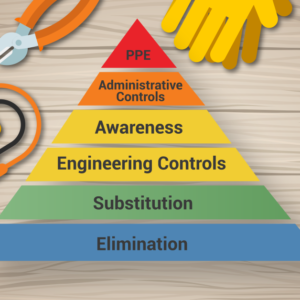 Electrical safety training covering hazard awareness, safe work planning, isolation/LOTO basics, equipment checks, and PPE fundamentals to prevent shock, burns, and arc incidents.
 -
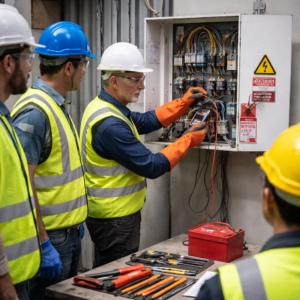 Electrical safety essentials: hazard awareness, safe planning, isolation principles, inspection routines, and PPE basics to reduce risk of shock, burns, and arc incidents.
 -
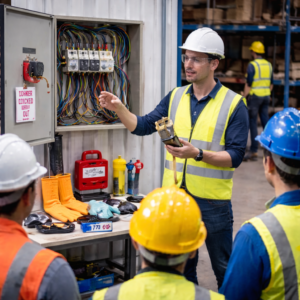 Employee electrical safety covering hazard awareness, safe behaviors around equipment, defect reporting, isolation/LOTO awareness, and practical steps to prevent shocks, burns, and arc incidents.
 -
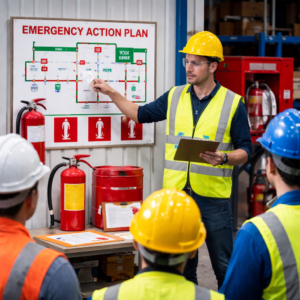 Emergency action and fire prevention planning: evacuation routes, alarms, roles, communications, drills, housekeeping, and ignition?source controls for coordinated response and prevention.
 -
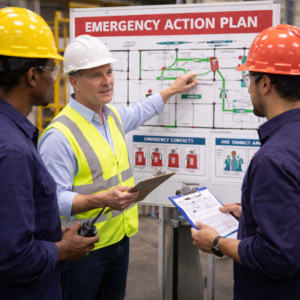 Create an Emergency Action Plan (EAP): alarms, evacuation routes, assembly points, roles, communications, drills, and review steps to ensure fast, organized response.
 -
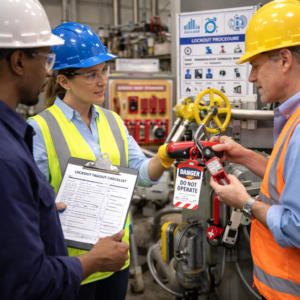 Manage an energy control (LOTO) program: written procedures, training and authorization, inspections, contractor coordination, device control, and records to prevent unexpected energization.
 -
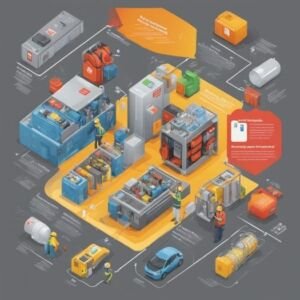 ESS safety basics for battery storage: hazard recognition, safe installation and charging, thermal runaway awareness, ventilation and inspection checks, and emergency actions for fires, leaks, and electrical incidents.
 -
 Product safety and compliance for engineers: risk assessment, foreseeable misuse, safety requirements, warnings and instructions, verification/testing, documentation, and lifecycle responsibilities to reduce defects, recalls, and liability.
 -
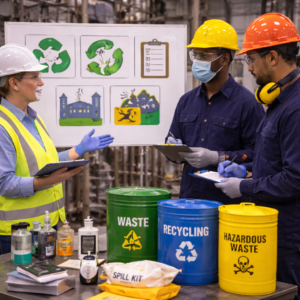 EMS fundamentals covering aspects and impacts, requirements, objectives, operational controls, audits, and continual improvement to manage environmental risk and performance.
 -
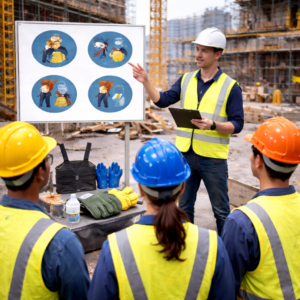 Construction ergonomics training covering manual handling, awkward postures, repetitive work, and tool/work-practice improvements to reduce musculoskeletal injuries on site.
 -
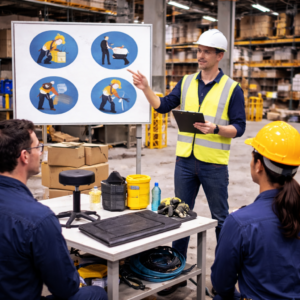 General industry ergonomics training covering common MSD risk factors, workstation setup, manual handling controls, and practical interventions to reduce strains and sprains.
 -
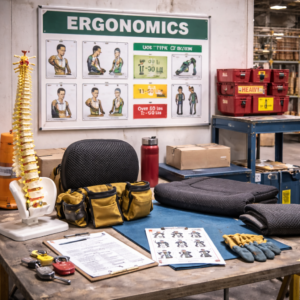 Ergonomic injury prevention covering risk factors, safe lifting, posture and task design, micro-breaks, and practical controls to reduce strains and repetitive injuries.
 -
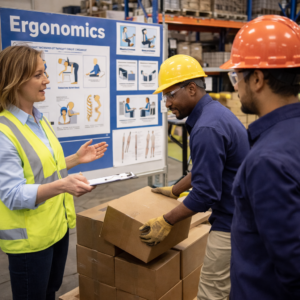 Ergonomics fundamentals covering MSD risk factors, task/workstation design, safe manual handling, and practical controls to reduce discomfort and injury risk.
 -
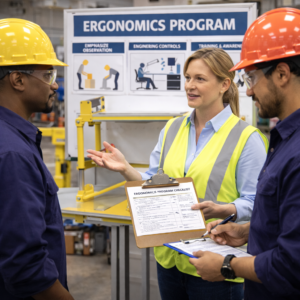 Ergonomics program administration: risk screening, task/workstation assessments, control planning, training, and evaluation to reduce musculoskeletal disorders and improve comfort.
 -
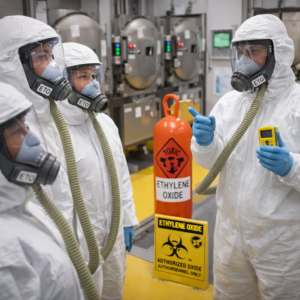 Ethylene oxide safety covering health risks, exposure routes, safe handling and storage, ventilation awareness, spill response, and prevention practices for sterilization environments.
 -
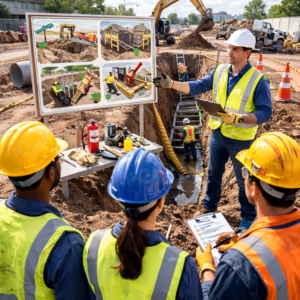 Excavation safety essentials: hazard recognition, protective system basics, competent person inspections, spoil placement, access/egress, and utility awareness to prevent cave?ins and struck?by incidents.
 -
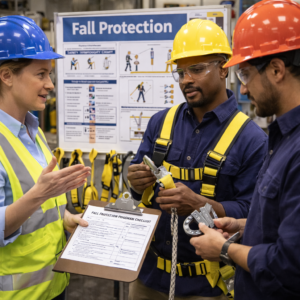 Develop a fall protection program: hazard assessment, system selection, anchor planning, equipment inspection, training needs, rescue planning, and routine audits for work?at?height tasks.
 -
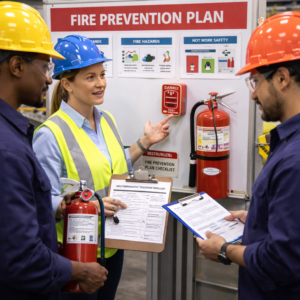 Practical training on Fire Prevention Plan Development & Implementation covering key hazards, safe work practices, and control measures, with simple checklists and reporting steps to help prevent incidents and improve safety performance.
 -
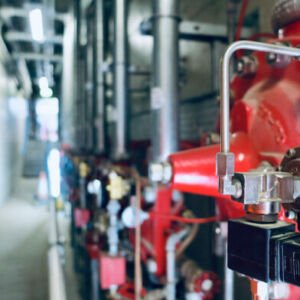 Practical fire safety and emergency response: fire hazards, prevention controls, alarms, evacuation roles, extinguisher awareness, and drill readiness so teams respond quickly and safely during incidents.
 -
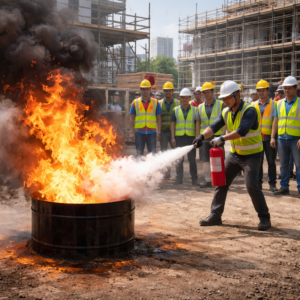 Fire safety basics covering ignition sources, prevention controls, alarms and evacuation, extinguisher awareness, and housekeeping and inspection routines that reduce the likelihood and impact of workplace fires.
 -
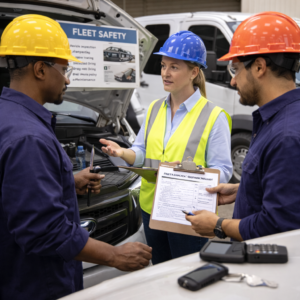 Safety management fundamentals covering policy, planning, hazard/risk controls, training, inspections, incident learning, and continuous improvement for a practical safety program.
 -
Fondamentaux de la gestion de la sécurité sur les chantiers de construction : responsabilités de leadership, permis, supervision, coordination des entrepreneurs et inspections pour maîtriser les activités à haut risque et réduire les incidents.
-
Fondamenti della gestione della sicurezza in cantiere: responsabilità della leadership, permessi, supervisione, coordinamento degli appaltatori e ispezioni per controllare le attività ad alto rischio e ridurre gli incidenti.
-
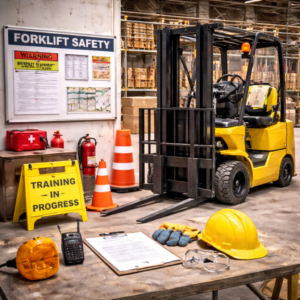 Forklift competent person prep covering evaluation criteria, inspection expectations, hazard recognition, and training oversight responsibilities for consistent, safer powered industrial truck operations.
 -
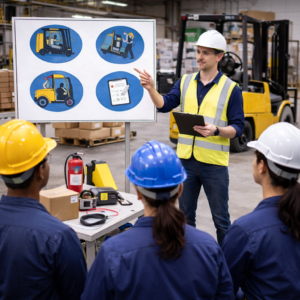 Forklift operator safety: pre-use inspections, stability and load handling, safe travel and turning, pedestrian awareness, and charging/fueling basics to prevent tip?overs and collisions.