-
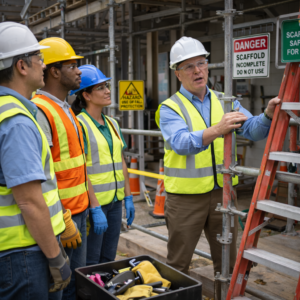 Scaffold safety training covering safe access, platform integrity, guardrails, load limits, and inspection checks to reduce fall risks and structural instability.
 -
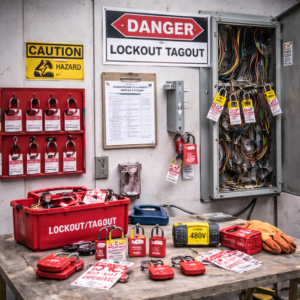 Lockout/Tagout training covering energy isolation, shutdown and verification steps, servicing practices, group lockout basics, and common errors that lead to unexpected start?up injuries.
 -
 Run an effective safety committee: clear roles, meeting structure, inspections, hazard reporting, action tracking, and communication practices that turn issues into sustained improvements.
 -
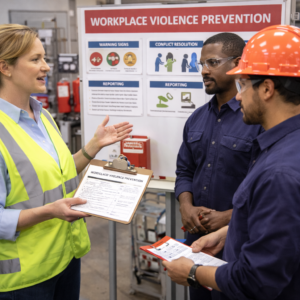 Workplace violence prevention covering risk factors, warning signs, de-escalation basics, reporting and response procedures, and support after incidents to help keep staff and visitors safer.
 -
 Product safety and compliance for engineers: risk assessment, foreseeable misuse, safety requirements, warnings and instructions, verification/testing, documentation, and lifecycle responsibilities to reduce defects, recalls, and liability.
 -
 Crane and rigging essentials: lift planning, rigging selection and inspection, load control, signals and communication, and exclusion zones to prevent dropped loads and contact incidents.
 -
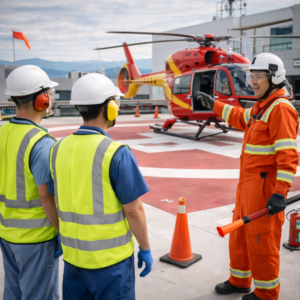 Hospital heliport safety covering access control, safe approach routes, communications, rotor wash hazards, and emergency procedures to reduce risks during helicopter operations.
 -
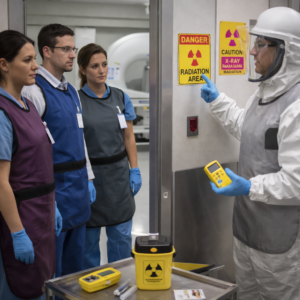 Radiation safety training covering basic concepts, exposure routes, time?distance?shielding controls, signage and access controls, and safe handling practices to reduce exposure risk.
 -
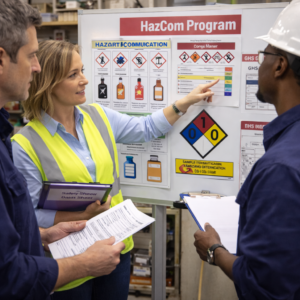 Build a HazCom program: chemical inventory, labeling, SDS management, exposure controls, employee training, and periodic audits so workers understand chemical hazards and safe handling.
 -
 Supervisor safety leadership skills: coaching, briefings, inspections, risk management, incident response, and reinforcing accountability to improve safe performance across teams.
 -
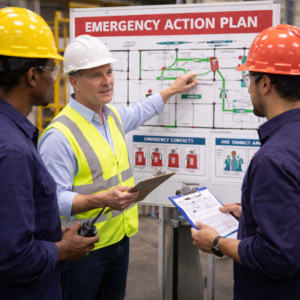 Create an Emergency Action Plan (EAP): alarms, evacuation routes, assembly points, roles, communications, drills, and review steps to ensure fast, organized response.
 -
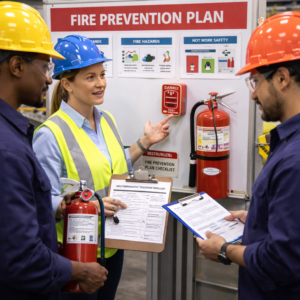 Practical training on Fire Prevention Plan Development & Implementation covering key hazards, safe work practices, and control measures, with simple checklists and reporting steps to help prevent incidents and improve safety performance.
 -
 Safety management fundamentals covering policy, planning, hazard/risk controls, training, inspections, incident learning, and continuous improvement for a practical safety program.
 -
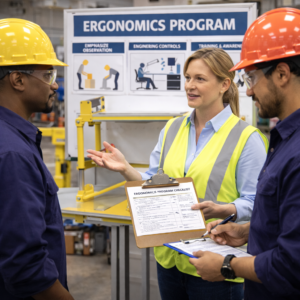 Ergonomics program administration: risk screening, task/workstation assessments, control planning, training, and evaluation to reduce musculoskeletal disorders and improve comfort.
 -
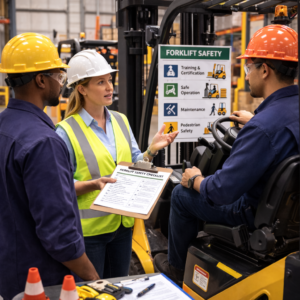 Administer a forklift safety program: authorization and refresher training, inspection and maintenance controls, site rules, incident learning, and records management to reduce truck-related risks.
 -
 Hearing conservation program administration: exposure assessment, control options, hearing protection selection, training, audiometry coordination, and records to prevent noise?induced hearing loss.
 -
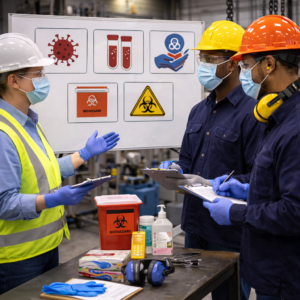 Bloodborne pathogens program administration: exposure control planning, training and documentation, device/work practice controls, incident response workflows, and continuous improvement to reduce infection risk.
 -
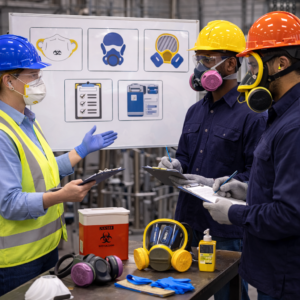 Respiratory protection program essentials: hazard evaluation, respirator selection, fit testing and maintenance basics, training requirements, and program checks to ensure protection against airborne exposures.
 -
 Safety management fundamentals covering policy, planning, hazard/risk controls, training, inspections, incident learning, and continuous improvement for a practical safety program.
 -
 Construction safety management fundamentals: leadership duties, permits, supervision, contractor coordination, and inspections to control high?risk activities and reduce incidents.
 -
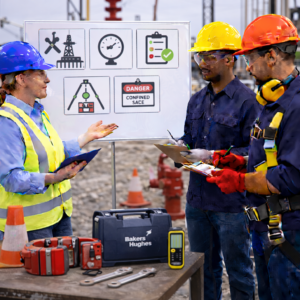 Well inspection safety basics covering site hazards, safe access, equipment awareness, isolation practices, vehicle separation, and reporting to support safer inspection activities.
 -
Fondamentaux de la gestion de la sécurité sur les chantiers de construction : responsabilités de leadership, permis, supervision, coordination des entrepreneurs et inspections pour maîtriser les activités à haut risque et réduire les incidents.
-
Grundlagen des Sicherheitsmanagements im Bauwesen: Führungsverantwortung, Genehmigungen, Aufsicht, Koordination von Auftragnehmern und Inspektionen zur Kontrolle von Hochrisikoaktivitäten und zur Verringerung von Vorfällen.
-
Fundamentos de la gestión de la seguridad en la construcción: responsabilidades de liderazgo, permisos, supervisión, coordinación de contratistas e inspecciones para controlar actividades de alto riesgo y reducir incidentes.
-
Fundamentos da gestão de segurança na construção: responsabilidades de liderança, permissões, supervisão, coordenação de empreiteiros e inspeções para controlar atividades de alto risco e reduzir incidentes.
-
Fondamenti della gestione della sicurezza in cantiere: responsabilità della leadership, permessi, supervisione, coordinamento degli appaltatori e ispezioni per controllare le attività ad alto rischio e ridurre gli incidenti.
-
Basisprincipes van veiligheidsmanagement in de bouw: leiderschapstaken, vergunningen, toezicht, coordinatie van aannemers en inspecties om activiteiten met een hoog risico te beheersen en incidenten te verminderen.
-
建筑施工安全管理基础:涵盖领导职责、作业许可证、现场监督、承包商协调以及检查工作,以控制高风险作业并减少事故。
-
Основы управления безопасностью на строительных объектах: обязанности руководства, разрешительная система, надзор, координация подрядчиков и инспекции для контроля работ повышенной опасности и снижения количества происшествий.
-
 ESS safety basics for battery storage: hazard recognition, safe installation and charging, thermal runaway awareness, ventilation and inspection checks, and emergency actions for fires, leaks, and electrical incidents.
 -
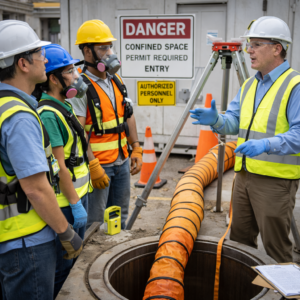 Confined space entry safety: permits, hazard identification, atmospheric testing, ventilation, isolation, attendant duties, communications, and rescue planning to prevent asphyxiation and toxic exposure.
 -
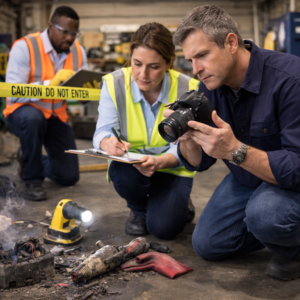 Advanced incident investigation: evidence collection, interview skills, human factors, causal analysis, and corrective action validation to prevent recurrence and strengthen learning.
 -
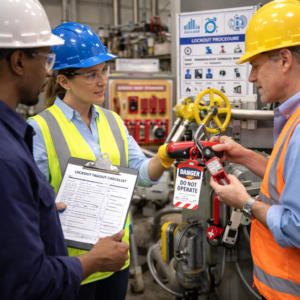 Manage an energy control (LOTO) program: written procedures, training and authorization, inspections, contractor coordination, device control, and records to prevent unexpected energization.
 -
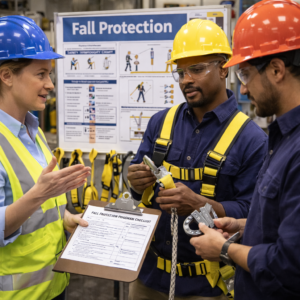 Develop a fall protection program: hazard assessment, system selection, anchor planning, equipment inspection, training needs, rescue planning, and routine audits for work?at?height tasks.
 -
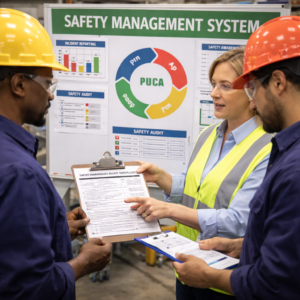 Evaluate a safety management system using audits, indicators, document reviews, and workforce feedback to identify gaps and prioritize improvements in risk control and compliance.
 -
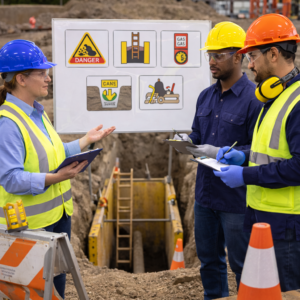 Trenching and excavation safety: soil assessment, protective systems (sloping/shoring/shielding), access/egress, utility hazard controls, inspections, and emergency response to prevent cave?ins.
 -
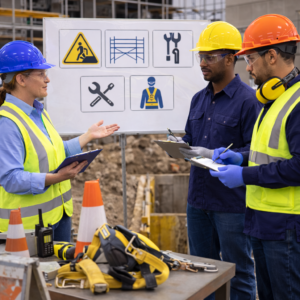 Scaffold program administration: competent person duties, inspection routines, tagging systems, training requirements, and corrective action tracking to reduce falls and scaffold failures.
 -
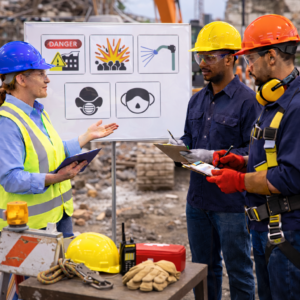 Demolition safety training covering pre-job surveys, structural stability, utility isolation, debris handling, equipment hazards, dust controls, and exclusion zones to reduce collapse and struck?by risks.
 -
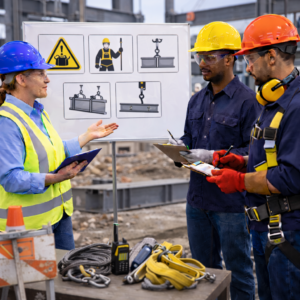 Steel erection safety training covering fall protection, rigging and hoisting awareness, column stability, decking practices, and coordination to control high?risk structural steel activities.
 -
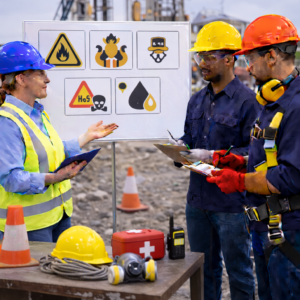 Oil and gas hazard awareness covering common field risks, isolation awareness, lifting and vehicle hazards, exposure controls, and emergency response basics for safer operations.
 -
 PSM fundamentals covering process hazard analysis basics, procedures, management of change, training, mechanical integrity, contractor controls, incident learning, and emergency preparedness to prevent major events.
 -
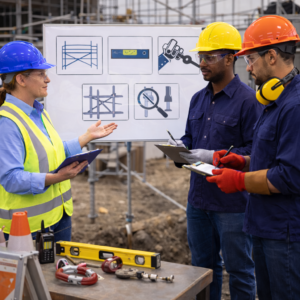 Scaffold erection and inspection: base setup, bracing, access, guardrails, load limits, and daily checks to help competent persons prevent falls and instability.
 -
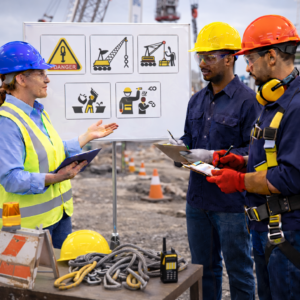 Cranes and derricks safety: planning, setup, inspection, load charts, signaling, and worksite controls to reduce overturning, power-line contact, and dropped-load hazards.
 -
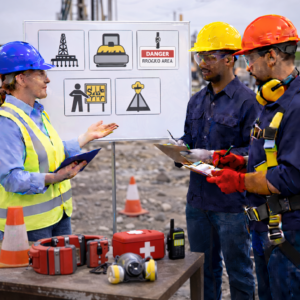 Well site preparation and drilling safety covering high-risk task awareness, equipment hazards, dropped-object prevention, isolation concepts, traffic control, and emergency response basics.
 -
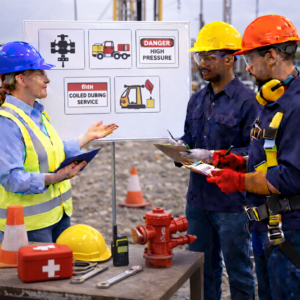 Well site completion and servicing safety covering task hazards, energy and pressure awareness, lifting controls, chemical exposure basics, traffic management, and emergency response.
 -
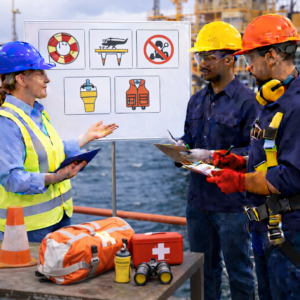 Offshore oil and gas safety essentials covering permit-to-work mindset, hazard awareness, lifting and dropped-object controls, isolation awareness, emergency response, and safe behaviors offshore.
 -
 Construction safety and health management: planning, risk assessment, site rules, inspections, toolbox talks, incident management, and contractor coordination to control high?risk work.
 -
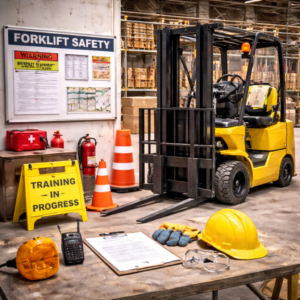 Forklift competent person prep covering evaluation criteria, inspection expectations, hazard recognition, and training oversight responsibilities for consistent, safer powered industrial truck operations.