High-Risk Work Environments • Hazard Awareness • Demolition Safety
Demolition Safety Training
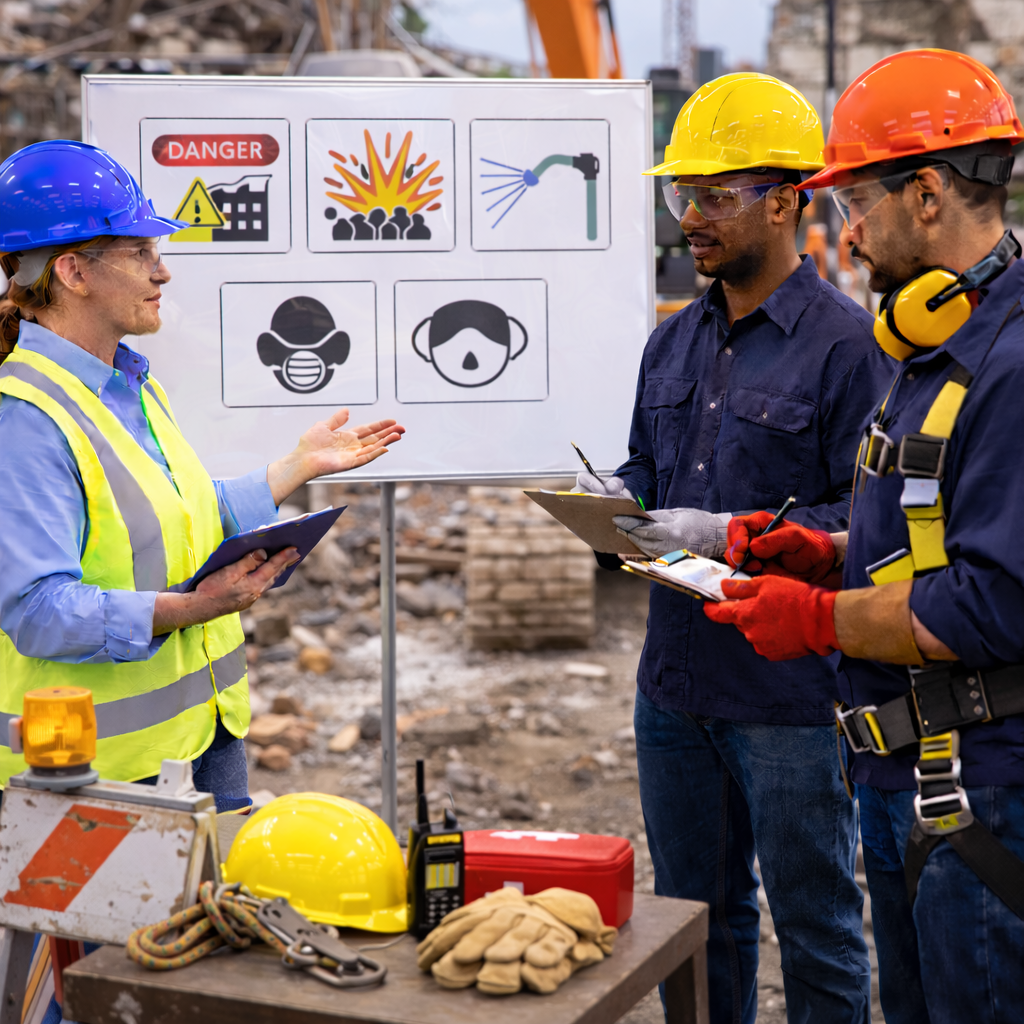
Demolition work is never routine. Hidden structural weaknesses, unstable materials, unplanned collapse, falling debris, utility hazards, and constantly changing site conditions can turn a jobsite into a serious danger zone. This course helps learners build the awareness needed to recognize demolition risks early, work more safely, and support better control on site.
Why This Training Matters
Demolition work involves many of the risks found in construction, but with added uncertainty. Structures may be weakened, utilities may present unseen dangers, and conditions can shift quickly as materials are removed. Without the right awareness and planning, workers face elevated risks of struck-by incidents, falls, collapse, fire, and serious injury.
What Learners Gain
This course is designed to strengthen hazard recognition, improve safety awareness, and reinforce safer work practices for demolition activities. It helps learners better understand the need for controlled preparation, safer material removal, good access management, and disciplined site behavior throughout the demolition process.
Why People Take Action
Whether you are onboarding new workers, refreshing site expectations, or reinforcing demolition controls across crews and contractors, this training gives learners practical knowledge they can apply immediately to reduce risk and support safer project execution.
What This Course Helps Address
Pre-Demolition Hazard Awareness
Build awareness of why structures, adjacent areas, and existing site conditions must be carefully evaluated before work begins.
Utilities, Openings, and Access Risks
Reinforce the importance of controlling service lines, protecting work areas, and managing stairs, passageways, ladders, floor openings, and material drop zones.
Safer Material Removal Practices
Improve understanding of safe demolition sequencing, debris handling, chutes, storage control, and precautions during wall, floor, and steel removal.
Mechanical Demolition and Site Control
Support better awareness of exclusion zones, inspections during progress, and hazard control when demolition is performed with equipment.
Better Demolition Safety Starts Before the First Structure Comes Down
The most effective demolition projects are built on preparation, awareness, and control. This training helps learners understand the risks before they escalate, make safer decisions during active work, and contribute to a jobsite where demolition is managed with greater care, confidence, and accountability.