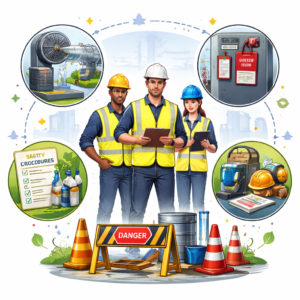
Oil & Gas Safety Training
Well Site Completion and Servicing Safety Training
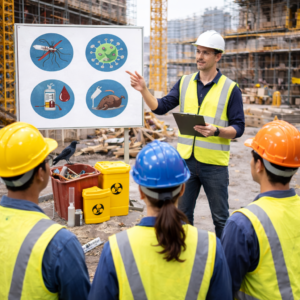
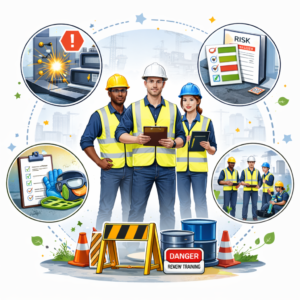
Completion and servicing work happens in high-pressure, fast-moving environments where a small oversight can escalate into a serious incident. This course helps learners recognize the hazards commonly found during well completion and servicing activities, understand why those hazards matter, and build stronger awareness for safer performance on site.
Recognize Critical Risks
Build awareness of pressure-related hazards, task risks, traffic movement, lifting activities, and exposure concerns before they lead to incidents.
Improve Safer Decision-Making
Strengthen your understanding of how site conditions, equipment interaction, and work practices affect safety during completion and servicing operations.
Support Better Site Control
Help create a more safety-focused operation by improving hazard recognition, communication, and awareness across the workforce.
Why This Course Matters
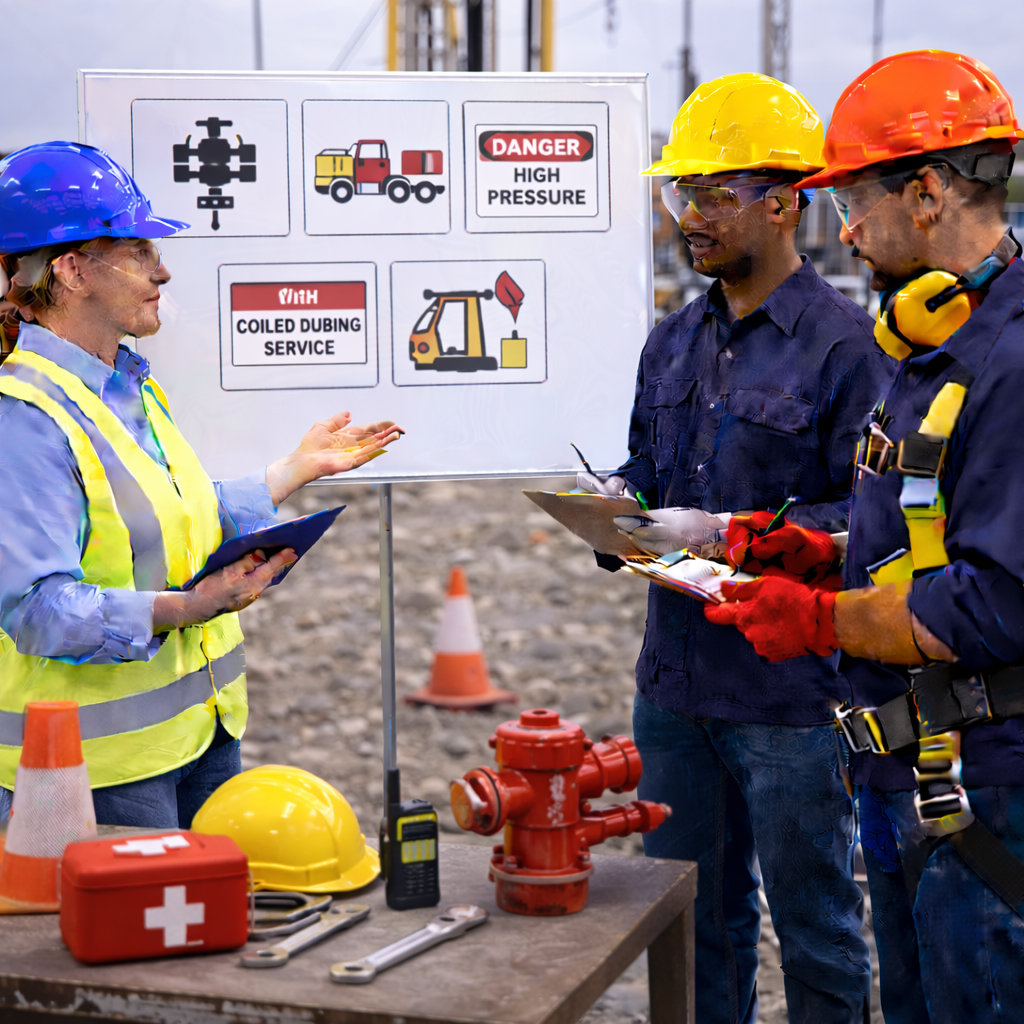
Well site completion and servicing tasks often involve pressure systems, moving equipment, vehicle traffic, lifting operations, chemical handling, and changing work conditions. These activities can create multiple overlapping hazards, especially when crews are working quickly, coordinating across teams, or operating near energized or pressurized equipment.
That is why hazard awareness is essential. When workers understand where risk is likely to develop and how safer work practices reduce exposure to harm, they are better prepared to make sound decisions, avoid preventable incidents, and contribute to a stronger safety culture on site.
This course provides a practical foundation in completion and servicing safety awareness. It helps learners understand the common hazards associated with these operations and reinforces the kind of site awareness that supports safer, more controlled, and more responsible work.
What You’ll Explore
- Common hazards during well completion and servicing activities
- Pressure and energy awareness in dynamic operating environments
- Task hazards involving equipment interaction, lifting, and line-of-fire exposure
- Traffic management and vehicle movement awareness on active well sites
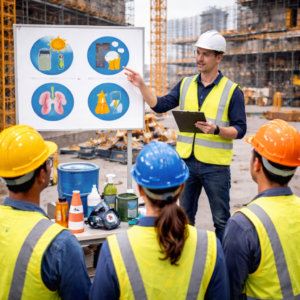
- Basic awareness of chemical, vapor, dust, and noise exposure hazards
- The role of communication, housekeeping, and planning in safer operations
- How hazard recognition supports safer execution of routine and non-routine tasks
- Why stronger awareness improves overall site safety performance
Learning Outcomes
- Recognize common hazards associated with well site completion and servicing work
- Identify work situations where pressure, energy, lifting, or equipment movement may increase risk
- Understand the importance of hazard recognition before and during task execution
- Describe the role of traffic management and site coordination in preventing incidents
- Recognize common exposure hazards involving chemicals, vapors, dust, and noise
- Explain how communication, housekeeping, and safer work practices help reduce operational risk
- Apply stronger task awareness to support safer decisions in changing field conditions
- Contribute to a more safety-conscious and compliance-aware work environment
Who This Is For
Field Workers
Suitable for personnel involved in completion, servicing, flowback support, maintenance, equipment handling, and general well site work.
Supervisors & Team Leads
Valuable for those responsible for overseeing crews, coordinating work activities, and reinforcing safer operating practices.
Contractors & Safety Personnel
Ideal for contractors, safety officers, and employers seeking stronger hazard awareness and more consistent risk recognition across completion and servicing operations.
Build Safer Completion and Servicing Operations
Safer performance starts with better awareness. When teams understand the hazards around them and recognize how quickly conditions can change, they are better equipped to protect themselves, support their coworkers, and carry out work with greater confidence and control.
Equip your workforce with the knowledge to spot hazards early, work more safely, and strengthen safety performance across every stage of completion and servicing activity.
Related topics: incident investigation, accident investigation, root cause analysis, accident reporting, corrective actions, witness interviews, evidence collection, near miss reporting, safety metrics, prevention planning, management review, workplace safety