-
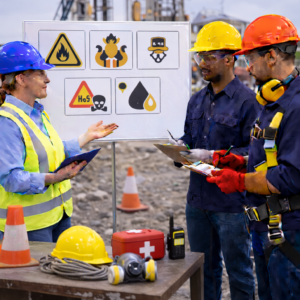 Oil and gas hazard awareness covering common field risks, isolation awareness, lifting and vehicle hazards, exposure controls, and emergency response basics for safer operations.
 -
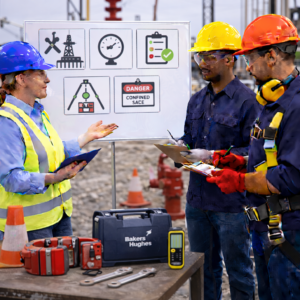 Well inspection safety basics covering site hazards, safe access, equipment awareness, isolation practices, vehicle separation, and reporting to support safer inspection activities.
 -
 Safe pallet handling and storage: stacking stability, racking limits, damaged pallet checks, forklift interface awareness, and housekeeping controls to prevent collapse, trips, and struck-by hazards.
 -
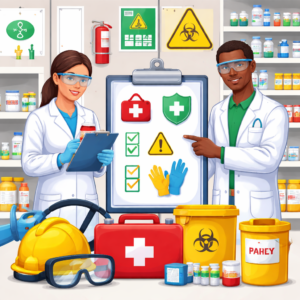 Pharmacy safety covering medication handling risks, hazardous drug awareness, spill response basics, PPE and hygiene practices, and reporting to support safer dispensing and compounding.
 -
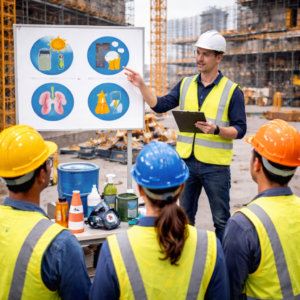 Practical training on Physical Health Hazards in Construction Training covering key hazards, safe work practices, and control measures, with simple checklists and reporting steps to help prevent incidents and improve safety performance.
 -
 PPE fundamentals covering hazard-based selection, correct donning/doffing, fit basics, limitations, and care?helping reduce injury and exposure when risks can?t be fully engineered out.
 -
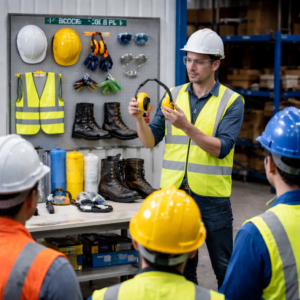 PPE selection, fit, use, and maintenance: hazard assessment, limitations, inspection routines, cleaning, storage, and replacement criteria so PPE performs reliably when needed.
 -
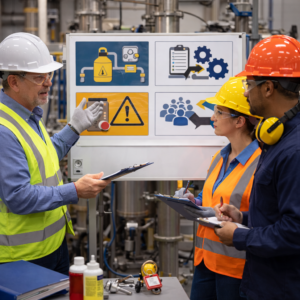 PSM fundamentals covering process hazard analysis basics, procedures, management of change, training, mechanical integrity, contractor controls, incident learning, and emergency preparedness to prevent major events.
 -
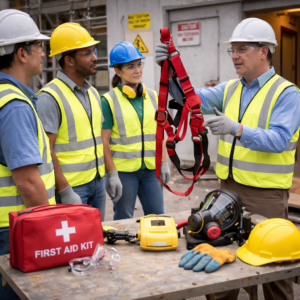 Practical training on Protective & Lifesaving Equipment Training covering key hazards, safe work practices, and control measures, with simple checklists and reporting steps to help prevent incidents and improve safety performance.
 -
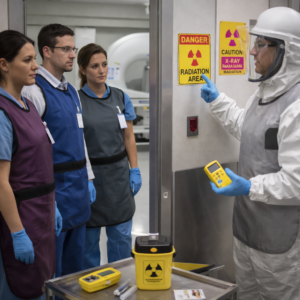 Radiation safety training covering basic concepts, exposure routes, time?distance?shielding controls, signage and access controls, and safe handling practices to reduce exposure risk.
 -
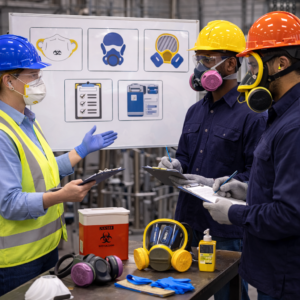 Respiratory protection program essentials: hazard evaluation, respirator selection, fit testing and maintenance basics, training requirements, and program checks to ensure protection against airborne exposures.
 -
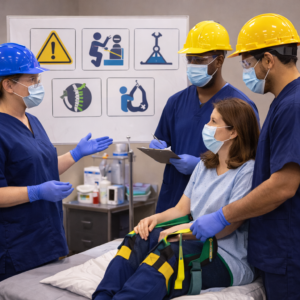 Safe patient handling fundamentals covering risk assessment, transfer aids, teamwork, communication, and injury prevention strategies to reduce caregiver strain and improve patient safety.
 -
 Safety accountability fundamentals: define roles and expectations, use leading indicators, coach performance, and apply consistent follow?through so teams own controls and reduce risk.
 -
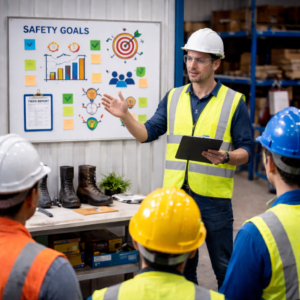 Safety leadership fundamentals: setting expectations, engaging teams, communicating risk, reinforcing safe behaviors, and driving continuous improvement to build a proactive safety culture.
 -
 Safety management fundamentals covering policy, planning, hazard/risk controls, training, inspections, incident learning, and continuous improvement for a practical safety program.
 -
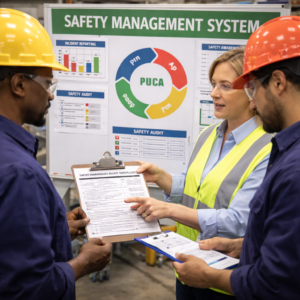 Evaluate a safety management system using audits, indicators, document reviews, and workforce feedback to identify gaps and prioritize improvements in risk control and compliance.
 -
 Build a safety recognition approach that reinforces positive behaviors with fair criteria, timely feedback, and consistent follow?through?supporting motivation without discouraging reporting.
 -
 Supervisor safety leadership skills: coaching, briefings, inspections, risk management, incident response, and reinforcing accountability to improve safe performance across teams.
 -
 Safety supervision fundamentals: hazard control, toolbox talks, inspections, incident reporting, and coaching behaviors to help supervisors lead safer daily work.
 -
 Safety training fundamentals: needs analysis, learning objectives, engaging delivery methods, assessment, documentation, and follow?up so training translates into safer on?the?job performance.
 -
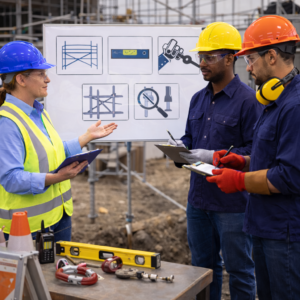 Scaffold erection and inspection: base setup, bracing, access, guardrails, load limits, and daily checks to help competent persons prevent falls and instability.
 -
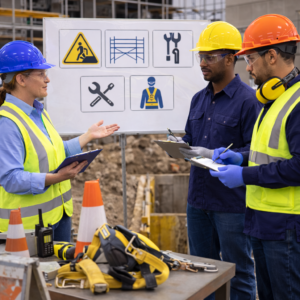 Scaffold program administration: competent person duties, inspection routines, tagging systems, training requirements, and corrective action tracking to reduce falls and scaffold failures.
 -
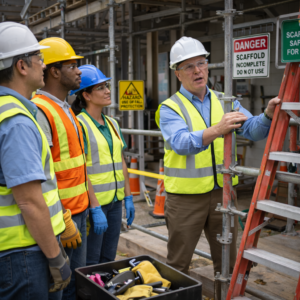 Scaffold safety training covering safe access, platform integrity, guardrails, load limits, and inspection checks to reduce fall risks and structural instability.
 -
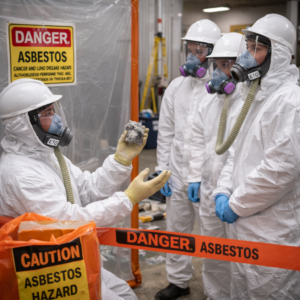 Schulung zu Asbestbewusstsein und Asbestkontrolle mit den Themen Gesundheitsrisiken, mögliche Vorkommen von Asbest, Erkennen und Melden, Vermeidung von Exposition sowie sichere Arbeitspraktiken, um asbesthaltige Materialien (ACM) nicht zu beschädigen oder zu stören.
 -
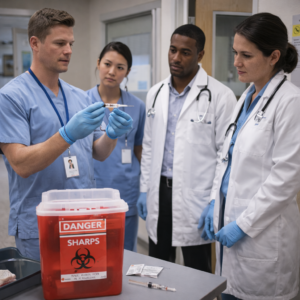 Sharps safety training covering safer devices, needle handling and disposal, work practice controls, cleanup basics, and post-exposure response to reduce needlestick injuries.
 -
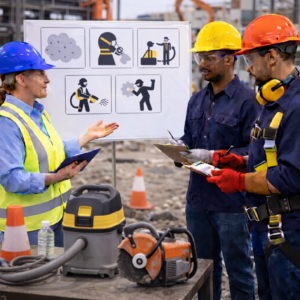 Silica dust control for construction: task-based risk recognition, wet methods and dust extraction, housekeeping, and respiratory protection awareness to reduce respirable crystalline silica exposure.
 -
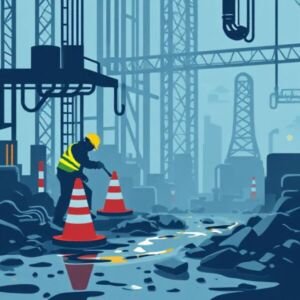 Prevent slips, trips, and falls through housekeeping, surface condition controls, spill response, lighting, footwear, and safe ladder and stair practices supported by simple inspections.
 -
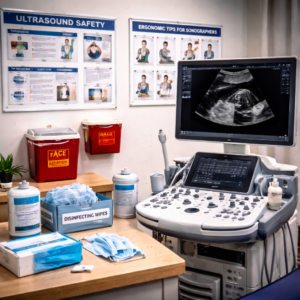 Sonography safety covering ergonomic risk reduction, infection control basics, equipment checks, and patient interaction considerations to reduce strain and improve safe practice.
 -
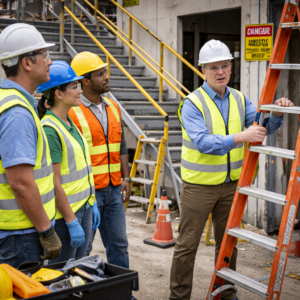 Practical training on Stairway & Ladder Safety Training covering key hazards, safe work practices, and control measures, with simple checklists and reporting steps to help prevent incidents and improve safety performance.
 -
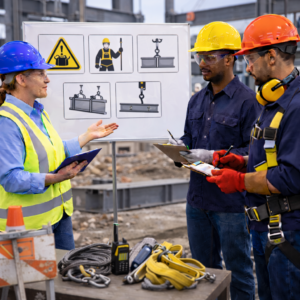 Steel erection safety training covering fall protection, rigging and hoisting awareness, column stability, decking practices, and coordination to control high?risk structural steel activities.
 -
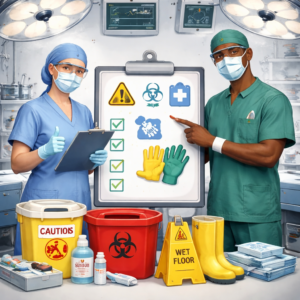 Surgical suite safety covering infection prevention behaviors, sharps and instrument controls, chemical awareness, ergonomics, and emergency readiness for safe, reliable surgical operations.
 -
Training in asbestbewustzijn en -beheersing over gezondheidsrisico's, waar asbest kan voorkomen, herkenning en melding, blootstellingspreventie en veilige werkpraktijken om te voorkomen dat asbesthoudende materialen (ACM's) worden verstoord.
-
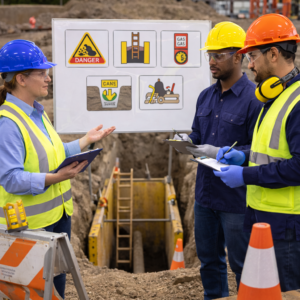 Trenching and excavation safety: soil assessment, protective systems (sloping/shoring/shielding), access/egress, utility hazard controls, inspections, and emergency response to prevent cave?ins.
 -
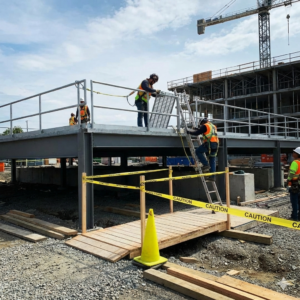 Walking/working surfaces and fall protection basics: hazard identification, surface inspections, covers and guardrails, ladder awareness, and practical controls to reduce same?level and height?related falls.
 -
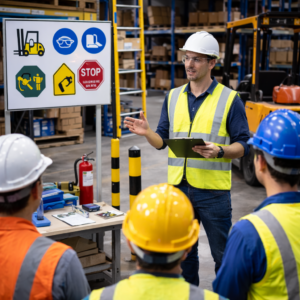 Warehouse safety training covering pedestrian?vehicle separation, racking and storage controls, manual handling, housekeeping, equipment awareness, and emergency procedures to reduce injuries and damage.
 -
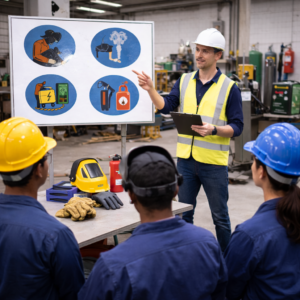 Welding safety essentials covering hot work hazards, fume and ventilation controls, fire prevention, equipment checks, cylinder handling, and PPE to prevent burns and respiratory exposure.
 -
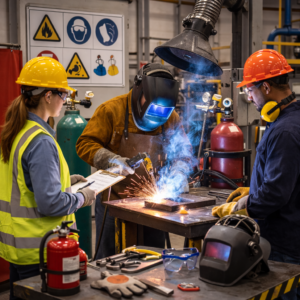 Hot work safety for welding, cutting, and brazing: permits, fire watch, cylinder handling, fume controls, ventilation, and PPE to prevent burns, fires, and exposures.
 -
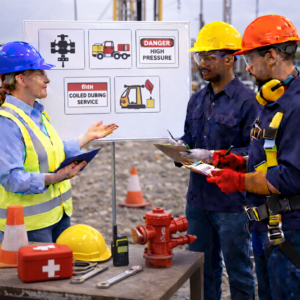 Well site completion and servicing safety covering task hazards, energy and pressure awareness, lifting controls, chemical exposure basics, traffic management, and emergency response.
 -
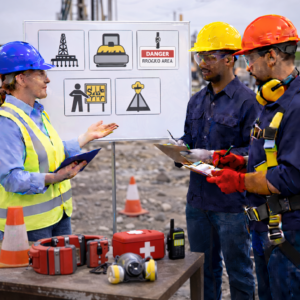 Well site preparation and drilling safety covering high-risk task awareness, equipment hazards, dropped-object prevention, isolation concepts, traffic control, and emergency response basics.
 -
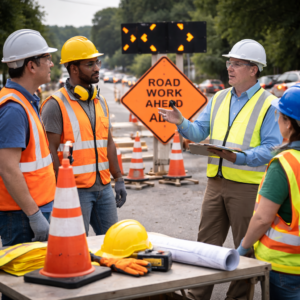 Work zone traffic safety: traffic control plans, signage, worker visibility, vehicle?pedestrian separation, spotter practices, and response steps to reduce struck?by and intrusion risks.
 -
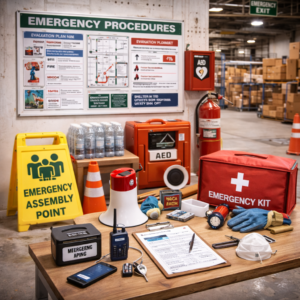 Workplace emergency preparedness: scenario planning, communications, evacuation/shelter procedures, first?response roles, drills, and post?incident review to improve response and recovery.
 -
 Foundational workplace H&S covering duties, hazard spotting, risk controls, safe behaviors, incident reporting, and emergency awareness?helping teams reduce common injuries and build a stronger safety culture.
 -
 Workplace hygiene and illness prevention covering hygiene behaviors, cleaning routines, ventilation awareness, sick-worker controls, and infection prevention practices that reduce common workplace illness spread.
 -
 Workplace privacy and data protection covering lawful handling, confidentiality, secure storage and sharing, breach awareness, and practical habits that reduce data risk in daily work.
 -
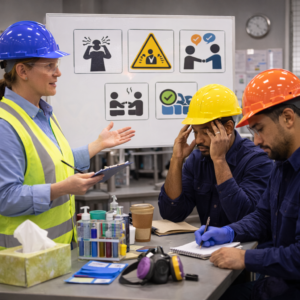 Workplace stress risk management covering psychosocial hazards, workload and role clarity, supportive supervision, practical interventions, and monitoring to protect wellbeing at work.
 -
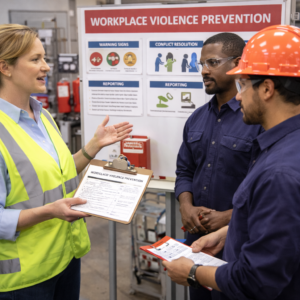 Workplace violence prevention covering risk factors, warning signs, de-escalation basics, reporting and response procedures, and support after incidents to help keep staff and visitors safer.
 -
Обучение по осведомлённости об асбесте и контролю рисков, охватывающее риски для здоровья, места возможного нахождения асбеста, его распознавание и сообщение о нём, предотвращение воздействия и безопасные методы работы, позволяющие не нарушать материалы, содержащие асбест (ACM).
-
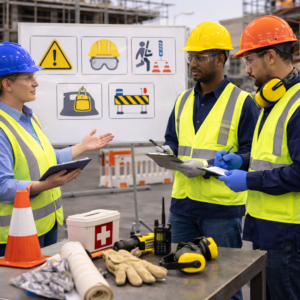 Основы управления безопасностью на строительных объектах: обязанности руководства, разрешительная система, надзор, координация подрядчиков и инспекции для контроля работ повышенной опасности и снижения количества происшествий.