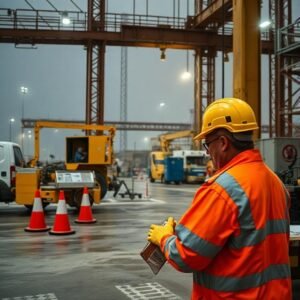
Worksite Awareness • Equipment Risk Control • Practical Safety Training
Heavy Equipment Safety Training
Heavy equipment keeps projects moving—but when it is operated without the right awareness, planning, and control measures, the consequences can be severe. This course helps learners recognize major equipment-related hazards, strengthen safe decision-making, and build habits that protect people, property, and productivity.
Why This Training Matters
Heavy equipment incidents are rarely small. Limited visibility, poor communication, unsafe movement, inadequate inspections, and weak site controls can quickly lead to struck-by events, equipment damage, downtime, and serious injury. In fast-paced work environments, safe operation depends on more than experience—it depends on awareness, consistency, and disciplined work practices.
What Learners Gain
This course is designed to help learners understand the risks of working with and around heavy equipment, improve hazard recognition, and reinforce safer operating behavior. It supports a stronger safety culture by helping teams recognize danger zones, improve communication, and reduce preventable incidents before they happen.
Why It Drives Action
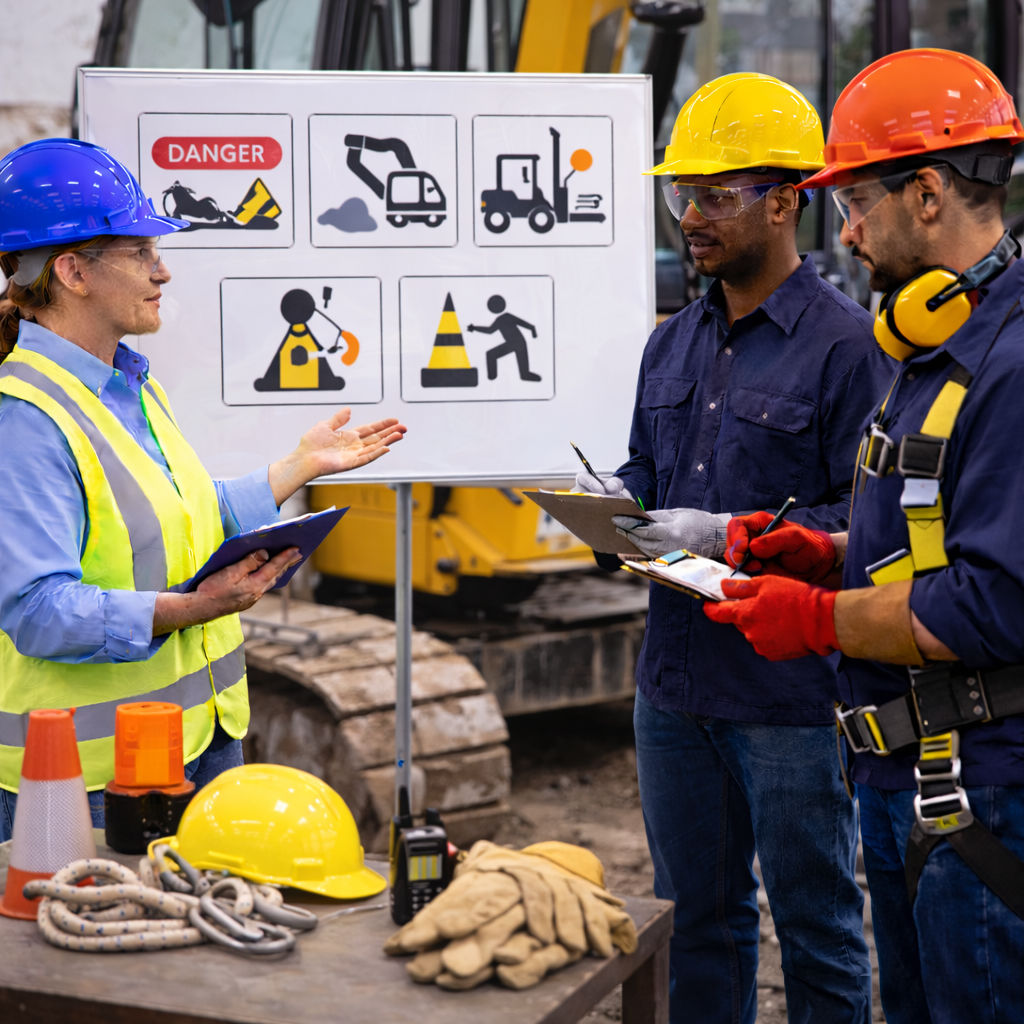
Whether you are onboarding operators, refreshing site expectations, or reinforcing risk awareness for crews working near moving plant and machinery, this training gives learners a practical foundation they can apply immediately on the job.
What This Course Helps Address
Hazard Recognition Around Heavy Equipment
Improve awareness of common equipment-related risks such as blind spots, moving plant, poor visibility, unstable conditions, and unsafe worker positioning.
Safer Pre-Use and Inspection Awareness
Reinforce the importance of checking equipment condition, identifying apparent deficiencies, and recognizing when equipment should not be used until issues are addressed.
Communication, Spotters, and Exclusion Zones
Build stronger awareness around safe coordination between operators, spotters, and nearby workers to reduce struck-by and backover risks.
Power Line and Worksite Hazard Awareness
Support better decision-making when equipment is operated near overhead hazards, restricted spaces, active traffic, or changing site conditions.
Learning Outcomes
- Identify common hazards associated with heavy equipment operation and nearby work activities.
- Recognize how blind spots, reversing movements, swing areas, and poor visibility increase risk on site.
- Understand the importance of pre-use checks, inspections, and reporting visible equipment deficiencies.
- Explain the role of communication, spotters, and safe worker positioning around moving equipment.
- Describe key precautions for working near overhead power lines and other changing worksite hazards.
- Improve daily safety awareness to help reduce injuries, equipment damage, and project disruption.
- Support safer work practices and stronger safety accountability across crews, contractors, and supervisors.
Who This Is For
- Heavy equipment operators who need stronger hazard awareness and safer operating habits.
- Construction and industrial workers who work near moving equipment or in active plant zones.
- Supervisors, foremen, and site leaders responsible for improving equipment-related safety performance.
- New hires and developing operators who need a practical introduction to heavy equipment safety.
- Organizations looking to reduce incidents, strengthen communication, and reinforce safer site behavior.
Safer Equipment Use Starts Before the Engine Turns On
The most effective heavy equipment safety programs are built on awareness, planning, communication, and consistent action. This course helps learners strengthen each of those areas—so they are better prepared to work safely, protect others nearby, and contribute to smoother, more controlled operations every day.
Related topics: incident investigation, accident investigation, root cause analysis, accident reporting, corrective actions, witness interviews, evidence collection, near miss reporting, safety metrics, prevention planning, management review, workplace safety