Hot Work Safety Training
Reduce hot work risks before they turn into serious incidents
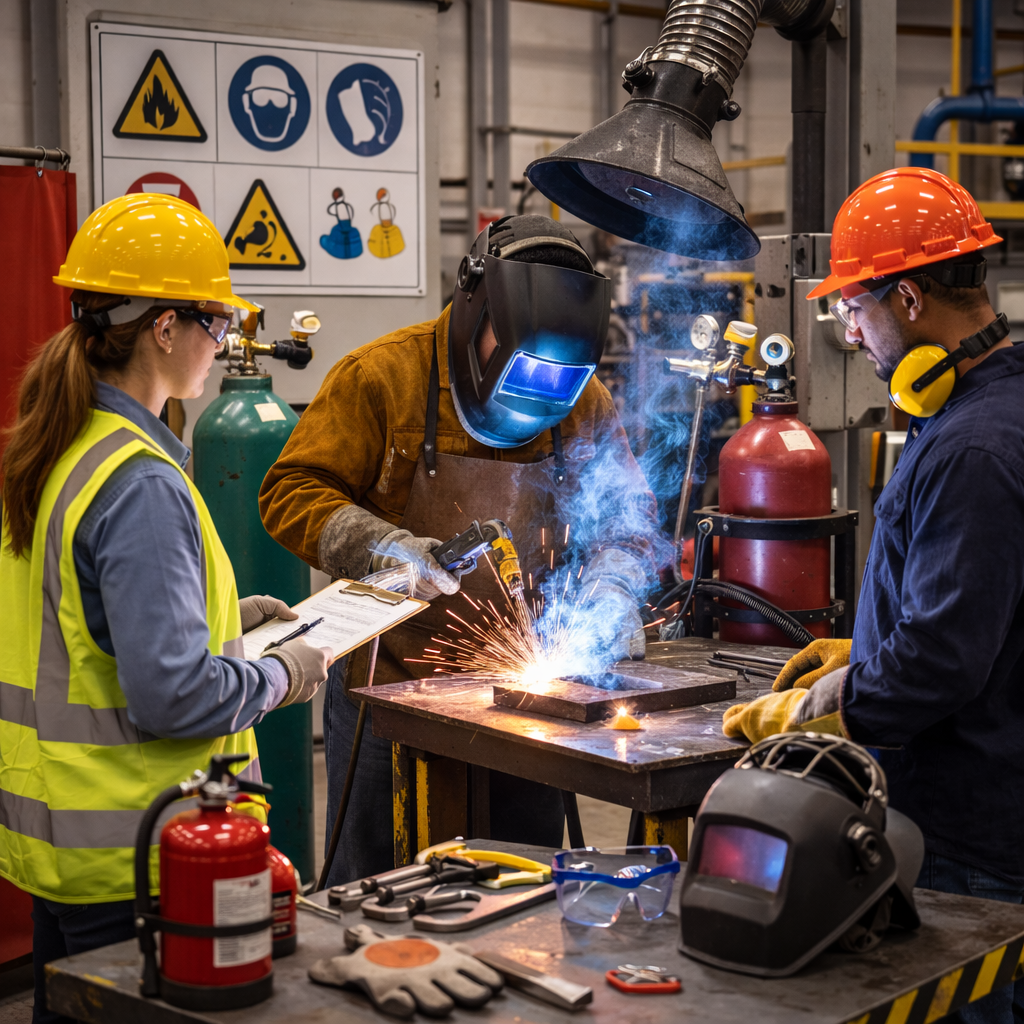
Welding, cutting, and brazing are essential tasks in many industries — but they also introduce major risks involving fire, fumes, burns, explosion, and unsafe work practices.
Welding Cutting Brazing Safety Training gives learners a practical foundation in hot work safety, helping them understand common hazards, safe precautions, and the responsibilities that support safer operations every day.
Why this course matters
Hot work can create immediate and high-consequence hazards when sparks, heat, compressed gases, or fumes are not properly controlled. Without the right awareness and precautions, routine tasks can quickly lead to injuries, property damage, production disruption, or life-threatening emergencies.
This course helps learners build a stronger understanding of safe welding, cutting, and brazing practices so they can work with greater confidence, recognize risk earlier, and contribute to a safer workplace culture.
What learners gain
Stronger Hazard Awareness
Understand the main risks linked to hot work, including fire, harmful fumes, gas hazards, burns, and unsafe surroundings.
Safer Work Practices
Reinforce the importance of preparation, ventilation, equipment checks, PPE, and good hot work discipline.
Better Operational Control
Support safer job execution, better communication, and a more consistent approach to controlling hot work risks.
Course Description
Welding Cutting Brazing Safety Training is designed to introduce learners to the essential safety principles involved in hot work activities. The course focuses on the hazards commonly associated with welding, cutting, and brazing, while emphasizing the precautions, planning, and safe behaviors needed to reduce risk in the workplace.
Participants will explore the importance of work area assessment, fire prevention, ventilation awareness, equipment safety, personal protective equipment, and safe handling of hot work processes. The course also highlights the role of following procedures, maintaining awareness of the surrounding environment, and communicating hazards before work begins.
Whether your team performs hot work regularly or only occasionally, this training provides a practical foundation for improving awareness, supporting compliance, and helping prevent avoidable incidents. It is an effective starting point for organizations that want safer people, safer jobs, and stronger control over welding-related risks.
Learning Outcomes
- Explain the main hazards associated with welding, cutting, and brazing operations.
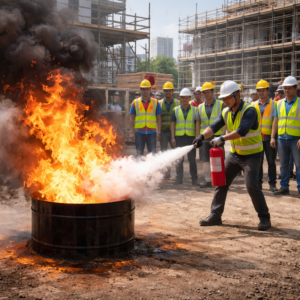
- Recognize the importance of fire prevention and safe preparation before hot work begins.
- Understand the role of ventilation and exposure control in reducing risks from fumes and gases.
- Identify the purpose of personal protective equipment and safe equipment use during hot work.
- Describe the importance of inspecting the work area and maintaining awareness of nearby hazards.
- Support safer hot work practices through better planning, communication, and responsibility.
Who This Is For
- Welders, cutters, brazers, and metal fabrication personnel
- Maintenance, repair, and workshop employees
- Construction, manufacturing, and industrial workers involved in hot work
- Supervisors and team leaders responsible for welding-related activities
- Health and safety professionals supporting hot work operations
- Any worker who performs or works near welding, cutting, or brazing tasks
Build safer hot work habits that protect people, property, and productivity
A strong understanding of welding, cutting, and brazing safety helps teams work more carefully, respond to hazards earlier, and reduce preventable incidents. This course is a smart step toward safer and more confident hot work operations.
Related topics: personal protective equipment, PPE selection, PPE use, PPE maintenance, hazard assessment, eye protection, hand protection, respiratory protection, hearing protection, protective clothing, workplace safety, compliance training