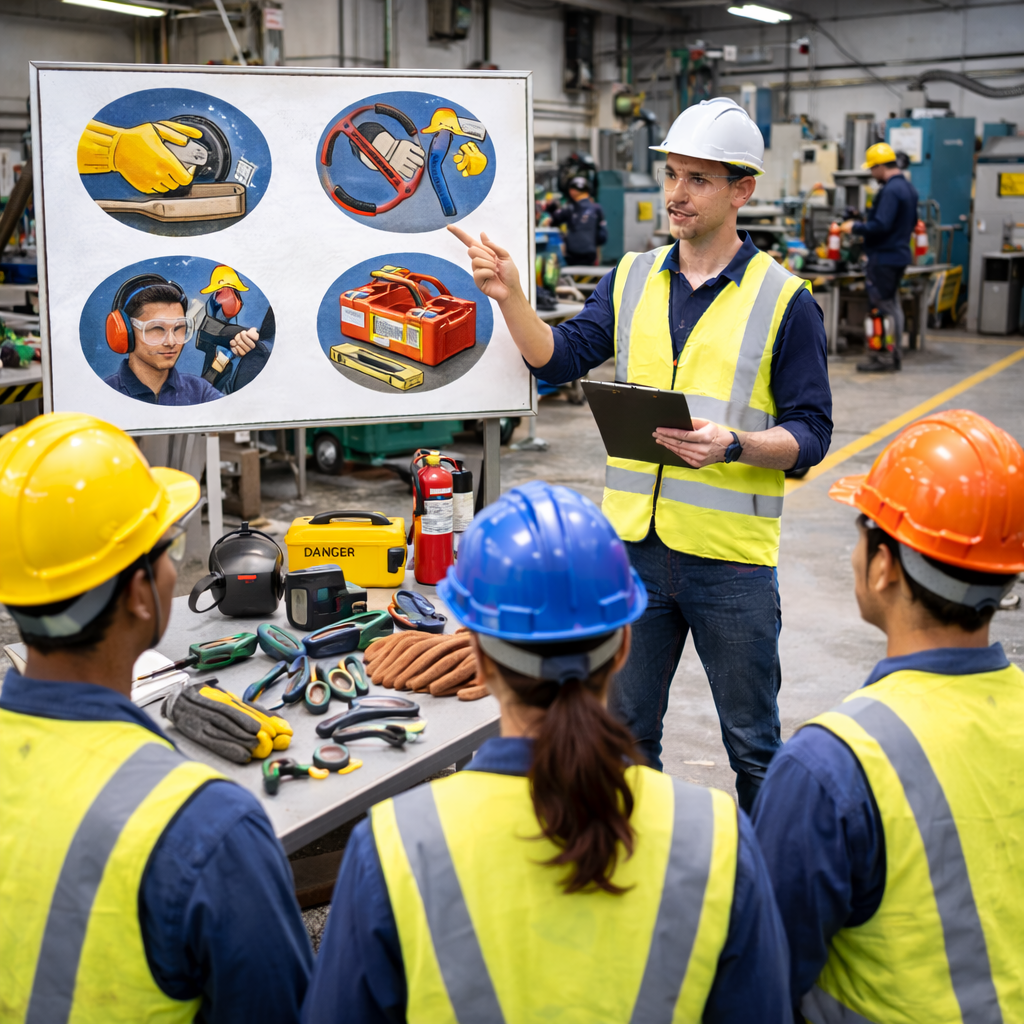
Hand & Power Tool Safety Training
Work Faster, Safer, and With More Control Every Time You Pick Up a Tool
Hand and power tools make work easier, but they can also cause serious injuries when used carelessly, incorrectly, or without proper checks. This course helps learners build the practical safety awareness needed to prevent cuts, punctures, flying debris injuries, kickback incidents, electrical hazards, and tool-related downtime before they happen.
Why This Training Matters
Tool-related incidents often happen during routine tasks when workers rely on habit instead of safe process. A wrong accessory, a missing guard, poor inspection, bad handling technique, or a damaged cord can quickly turn a simple job into an injury, equipment failure, or costly interruption.
This course is designed to help teams recognize those risks early, make better decisions on the job, and turn safe tool use into a consistent part of everyday performance.
What Makes This Course Valuable
Smarter Tool Selection
Understand how choosing the right tool and accessory for the job helps reduce misuse, failure, and avoidable risk.
Safer Setup and Operation
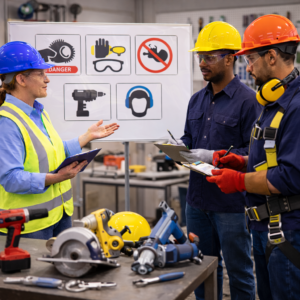
Build awareness around inspection, guarding, safe handling, and controlled use during cutting, grinding, drilling, fastening, and other common tasks.
Better Productivity Through Safer Work
Reduce rework, interruptions, and injuries by helping workers apply safer techniques and better pre-use discipline on every shift.
Course Overview
This course provides a practical introduction to safe hand and power tool use in the workplace. It focuses on the real risks workers face when using manual, electric, battery-powered, and air-powered tools, and shows how better preparation, inspection, setup, and technique can prevent incidents before they occur.
Learners gain a clearer understanding of how to handle tools more safely, maintain control during use, and support a more disciplined safety culture across everyday work activities.
Learning Outcomes
By the end of this course, learners should be able to:
- Explain the main hazards associated with hand and power tool use in workplace environments.
- Select the correct tool and accessory for the task to reduce misuse and prevent avoidable incidents.
- Carry out basic pre-use inspection checks to identify damage, defects, missing guards, or unsafe conditions.
- Understand the importance of guarding, safe setup, and controlled handling during operation.
- Recognize common risks such as kickback, flying debris, cuts, punctures, electrical shock, and fastening-related injuries.
- Apply safer work practices when using cutting, grinding, drilling, and fastening tools.
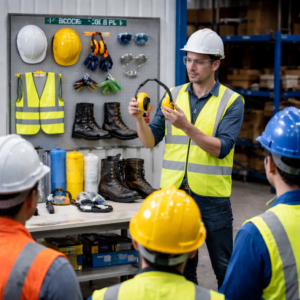
- Understand the role of PPE, housekeeping, and work area organization in reducing secondary injuries.
- Support safer use of electrical, battery-powered, and pneumatic tools through better awareness of energy sources and control measures.
Who This Is For
- Construction, maintenance, fabrication, and workshop personnel who use hand or power tools as part of daily work.
- Supervisors and team leaders responsible for safe work practices, task planning, and tool-use standards.
- Facilities, engineering, and maintenance teams working with electric, battery-powered, or air-powered tools.
- New starters and existing employees who need stronger practical awareness of tool-related hazards and controls.
- Health and safety personnel looking to reinforce better tool safety culture across operations.
- Organizations that want to reduce incidents, improve compliance, and strengthen everyday operational discipline.
Why Add This Course to Your Safety Program
Safe tool use is not just about avoiding injury. It also improves consistency, reduces disruption, protects equipment, and helps teams work with more confidence. When workers understand what to check, what to avoid, and how to operate tools correctly, safety becomes more repeatable and performance becomes more reliable.
For employers, that means fewer preventable incidents and stronger day-to-day control. For learners, it means practical knowledge they can apply immediately in the real world.
Build Safer Habits That Protect People and Keep Work Moving
Every tool task carries risk, but the right training helps workers spot hazards sooner, use tools more effectively, and prevent the kinds of incidents that slow work and harm people. This course gives teams the essential knowledge to raise standards and work more safely with confidence.
Related topics: electrical safety, electrical hazards, shock prevention, arc flash awareness, energized work, lockout tagout, PPE selection, equipment inspection, safe work practices, incident prevention, workplace safety, compliance training