Oil & Gas Well Inspection Safety Basics
Description
Oil & Gas Well Inspection Safety Basics
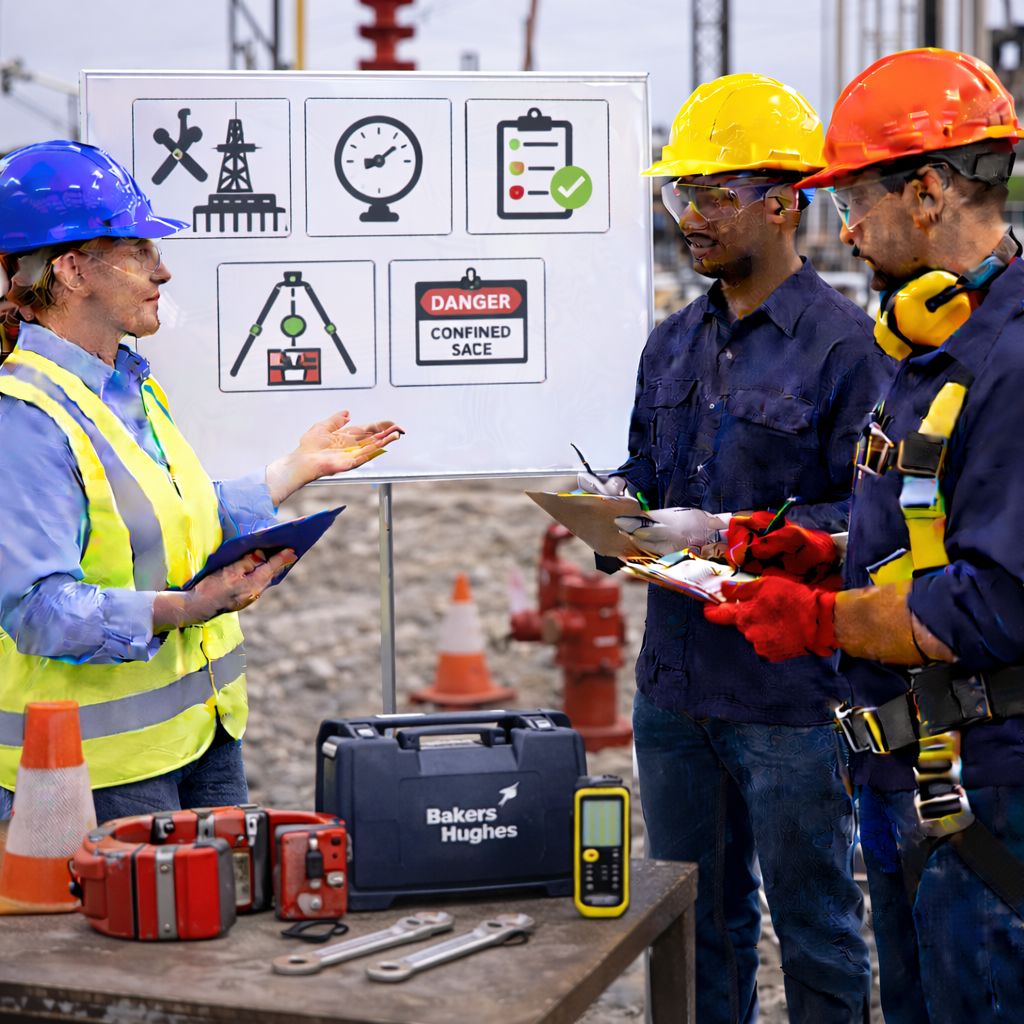
Inspections play a critical role in keeping oil and gas wellsites safe, controlled, and operational. But inspections are only effective when personnel know what to look for, how hazards can develop, and why early recognition matters. This course helps learners build practical well-inspection safety awareness so they can identify risks sooner, make safer observations, and support stronger field performance.
Spot Risks Earlier
Improve awareness of common wellsite hazards such as pressure-related risks, vapor releases, equipment hazards, and unsafe site conditions.
Inspect with More Confidence
Build a stronger understanding of what safe inspection behavior looks like before, during, and after a wellsite visit.
Support Safer Operations
Help strengthen hazard recognition, communication, and safety-focused decision-making across inspection and field activities.
Why This Course Matters
Oil and gas well inspections often take place in environments where hazards can change quickly. Inspectors and field personnel may encounter moving vehicles, active equipment, pressurized systems, uneven ground, flammable atmospheres, noise, chemical exposures, and other site-specific risks. Without the right awareness, even routine inspection tasks can expose workers to serious danger.
That is why safety basics matter. When personnel understand how to approach inspections with the right mindset, recognize warning signs early, and pay attention to the conditions around them, they are better equipped to support safer wellsite operations and reduce the likelihood of incidents.
This course provides a practical introduction to well inspection safety in oil and gas environments. It is designed to help learners build foundational hazard awareness, improve observation quality, and reinforce the safe behaviors that support more effective inspections in the field.
What You’ll Explore
- Common hazards that may be encountered during oil and gas well inspections
- How changing site conditions can affect inspection safety
- Awareness of pressure, vapor, fire, explosion, and oxygen-deficiency risks
- Vehicle movement, equipment interaction, and line-of-fire considerations
- The importance of jobsite observation, communication, and situational awareness
- Basic inspection-related safety practices and field precautions
- The role of PPE, access planning, and housekeeping in safer inspections
- How stronger hazard recognition contributes to safer and more consistent wellsite performance
Learning Outcomes
- Recognize common hazards associated with oil and gas well inspection activities
- Identify site conditions that may increase the risk of injury, exposure, or loss of control
- Understand the importance of situational awareness during field inspections
- Describe how equipment, vehicles, pressure systems, and vapors can affect inspection safety
- Recognize the role of PPE, communication, and safe access planning in wellsite inspections
- Apply basic safety-minded observation practices before and during inspection tasks
- Support safer reporting, decision-making, and hazard recognition in active well environments
Who This Is For
Inspectors & Field Personnel
Suitable for workers who perform or support site inspections, field observations, equipment checks, and general wellsite oversight.
Supervisors & Team Leads
Valuable for those responsible for coordinating inspections, overseeing field work, and reinforcing safer site practices.
Contractors & Safety Personnel
Ideal for contractors, safety officers, and employers who want stronger wellsite hazard awareness and safer inspection routines.
Better Inspections Begin with Better Awareness
Safe inspections are not just about checking equipment or conditions—they are about knowing how to approach the wellsite with the right awareness, caution, and attention to detail. With the right training, teams can inspect more effectively, respond to hazards sooner, and help strengthen operational safety from the ground up.
Equip your workforce with the knowledge to identify hazards early, inspect with greater confidence, and support safer oil and gas wellsite operations.
Oil & Gas Well Inspection Safety Basics
Inspections play a critical role in keeping oil and gas wellsites safe, controlled, and operational. But inspections are only effective when personnel know what to look for, how hazards can develop, and why early recognition matters. This course helps learners build practical well-inspection safety awareness so they can identify risks sooner, make safer observations, and support stronger field performance.
Spot Risks Earlier
Improve awareness of common wellsite hazards such as pressure-related risks, vapor releases, equipment hazards, and unsafe site conditions.
Inspect with More Confidence
Build a stronger understanding of what safe inspection behavior looks like before, during, and after a wellsite visit.
Support Safer Operations
Help strengthen hazard recognition, communication, and safety-focused decision-making across inspection and field activities.
Why This Course Matters
Oil and gas well inspections often take place in environments where hazards can change quickly. Inspectors and field personnel may encounter moving vehicles, active equipment, pressurized systems, uneven ground, flammable atmospheres, noise, chemical exposures, and other site-specific risks. Without the right awareness, even routine inspection tasks can expose workers to serious danger.
That is why safety basics matter. When personnel understand how to approach inspections with the right mindset, recognize warning signs early, and pay attention to the conditions around them, they are better equipped to support safer wellsite operations and reduce the likelihood of incidents.
This course provides a practical introduction to well inspection safety in oil and gas environments. It is designed to help learners build foundational hazard awareness, improve observation quality, and reinforce the safe behaviors that support more effective inspections in the field.
What You’ll Explore
- Common hazards that may be encountered during oil and gas well inspections
- How changing site conditions can affect inspection safety
- Awareness of pressure, vapor, fire, explosion, and oxygen-deficiency risks
- Vehicle movement, equipment interaction, and line-of-fire considerations
- The importance of jobsite observation, communication, and situational awareness
- Basic inspection-related safety practices and field precautions
- The role of PPE, access planning, and housekeeping in safer inspections
- How stronger hazard recognition contributes to safer and more consistent wellsite performance
Learning Outcomes
- Recognize common hazards associated with oil and gas well inspection activities
- Identify site conditions that may increase the risk of injury, exposure, or loss of control
- Understand the importance of situational awareness during field inspections
- Describe how equipment, vehicles, pressure systems, and vapors can affect inspection safety
- Recognize the role of PPE, communication, and safe access planning in wellsite inspections
- Apply basic safety-minded observation practices before and during inspection tasks
- Support safer reporting, decision-making, and hazard recognition in active well environments
Who This Is For
Inspectors & Field Personnel
Suitable for workers who perform or support site inspections, field observations, equipment checks, and general wellsite oversight.
Supervisors & Team Leads
Valuable for those responsible for coordinating inspections, overseeing field work, and reinforcing safer site practices.
Contractors & Safety Personnel
Ideal for contractors, safety officers, and employers who want stronger wellsite hazard awareness and safer inspection routines.
Better Inspections Begin with Better Awareness
Safe inspections are not just about checking equipment or conditions—they are about knowing how to approach the wellsite with the right awareness, caution, and attention to detail. With the right training, teams can inspect more effectively, respond to hazards sooner, and help strengthen operational safety from the ground up.
Equip your workforce with the knowledge to identify hazards early, inspect with greater confidence, and support safer oil and gas wellsite operations.