High-Risk Construction Activities • Fall Hazard Awareness • Steel Erection Safety
Steel Erection Safety Training
Steel erection is one of the most hazardous activities in construction. When loads are lifted into position, workers operate at height, structural members are being connected, and conditions can change in seconds. This course helps learners build the awareness needed to recognize hazards early, work with greater control, and contribute to safer steel erection operations from the ground up.
Why This Training Matters
Steel erection work combines multiple major construction hazards at once—falls, falling objects, suspended loads, structural instability, and communication breakdowns during hoisting and connection work. Without the right safety awareness, a single mistake can lead to serious injury, site disruption, or catastrophic failure.
What Learners Gain
This course is designed to strengthen hazard recognition, improve site awareness, and reinforce safer work practices around steel erection activities. Learners gain a clearer understanding of how planning, communication, fall protection awareness, hoisting controls, and structural stability all work together to reduce risk.
Why Teams Take Action
Whether you are onboarding new workers, refreshing existing crews, or reinforcing safety expectations across structural steel projects, this training gives learners practical safety awareness they can apply immediately on active jobsites.
What This Course Helps Address
Site Layout, Planning, and Sequence Awareness
Reinforce the importance of coordinated planning, site-specific erection considerations, and safe sequencing before steel is lifted, placed, or connected.
Hoisting, Rigging, and Load Control
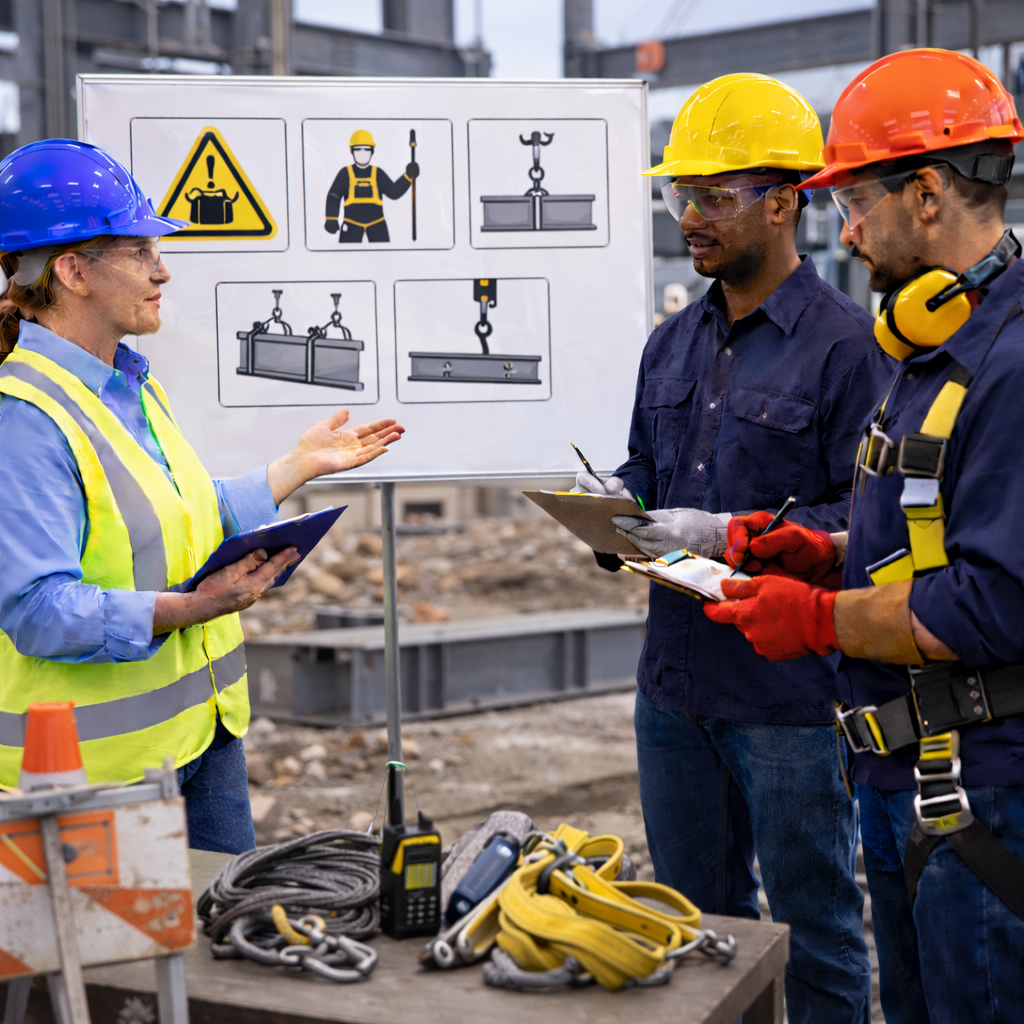
Build awareness around safe lifting operations, communication during hoisting, rigging-related risks, and the importance of keeping workers clear of suspended loads and danger zones.
Structural Assembly and Stability
Improve understanding of safety considerations linked to columns, beams, joists, anchorage, and other structural elements while the frame is still being erected and stabilized.
Fall and Falling Object Protection
Support better awareness of exposure to unprotected edges, leading edges, overhead hazards, dropped materials, and the controls needed to reduce these high-consequence risks.
Stronger Steel Safety Starts with Better Awareness
Successful steel erection depends on more than technical skill. It depends on preparation, communication, disciplined work practices, and the ability to recognize danger before it becomes an incident. This course helps learners build that awareness so they can contribute to safer, more controlled, and more confident steel erection operations every day.